
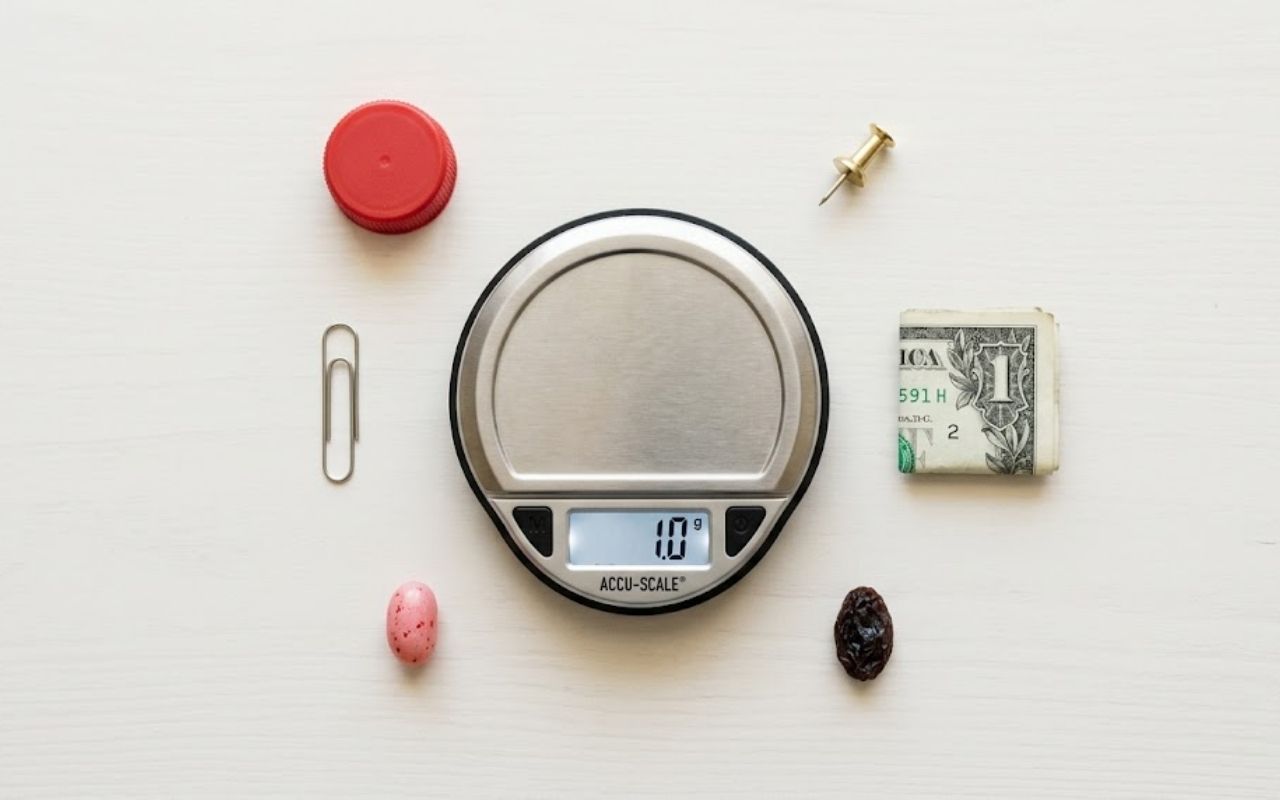
Most people use grams while cooking or checking nutrition labels, but very few can actually picture how light 1 gram feels. In reality, many tiny items around your home weigh close to this amount. From kitchen ingredients to office supplies, these objects make it easier to understand small measurements without using a scale.
Knowing practical 1 gram references can help with cooking, science projects, crafts, or simple curiosity. Some items weigh exactly 1 gram, while others are only approximate due to differences in size and material.
How Heavy Is 1 Gram?
A gram is a small unit in the Metric System used to measure mass and weight. It equals:
| Unit | 1 gram equals to |
|---|---|
| Milligrams (mg) | 1,000 mg |
| Kilograms (kg) | 0.001 kg |
| Ounces (oz) | 0.0353 oz |
| Pounds (lb) | 0.0022 lb |
| Micrograms (µg) | 1,000,000 µg |
| Carats (ct) | 5 ct |
| Troy ounces (ozt) | 0.0322 ozt |
To visualize it, imagine holding a single standard paper clip or a small raisin in your hand. That faint weight you barely notice is close to 1 gram.
Interestingly, 1 milliliter of water also weighs almost exactly 1 gram because of water’s unique Density.
Read about, Coke Can Dimensions: Every Size, Height & Diameter (2026)
Common Things That Weigh 1 Gram
From your kitchen drawer to your office desk, these everyday objects give you a concrete sense of just how light one gram really is.
1. A Standard Staple

Standard staples are usually made from thin steel wire, which keeps them both strong and lightweight. A single regular staple weighs only a fraction of a gram, but larger industrial staples used for cardboard boxes and shipping materials can come much closer to the one gram mark.
Even though staples are tiny, they play a major role in offices, schools, and packaging industries worldwide. Holding a few staples together is actually a simple way to understand how small measurements like 1 gram feel in your hand.
2. Small Coffee Beans

Even though a single coffee bean is very small, several beans together can quickly add up to 1 gram. On average, around 7 to 8 medium roasted coffee beans weigh close to this amount, making them a simple everyday reference for small measurements.
Coffee beans are also useful for understanding how tiny weight differences matter. Just a few extra beans can slightly change the flavor and strength of brewed coffee, which is why precise gram measurements are important in espresso making and specialty coffee preparation.
Read about, Florida Dimensions: How Big Is the Sunshine State, Really?
3. A Small Button
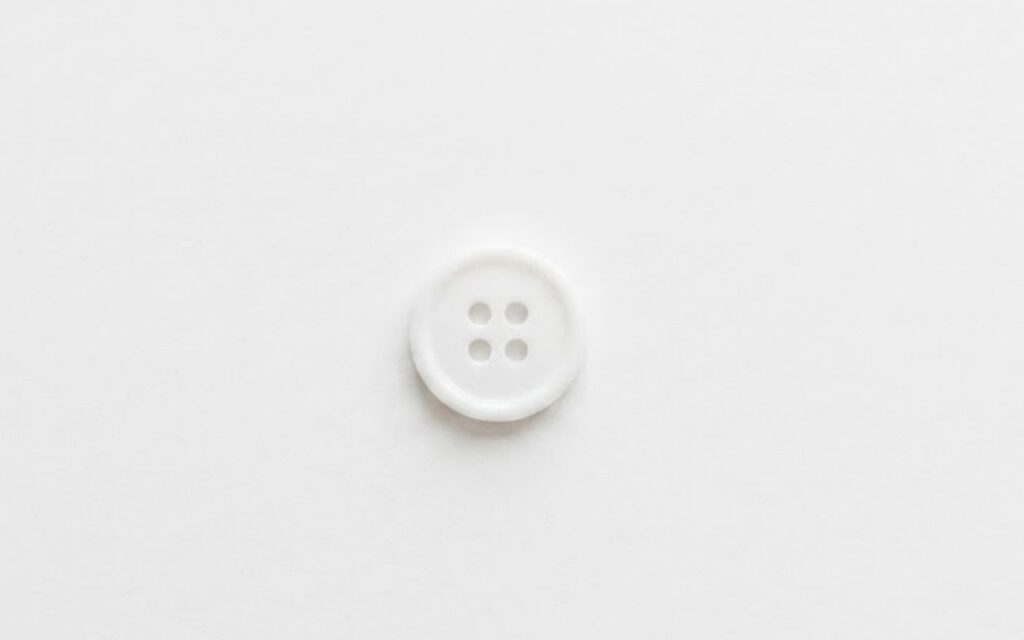
Tiny shirt buttons, especially plastic ones, often weigh close to 1 gram depending on thickness and material.
Metal coat buttons weigh much more, which shows how material density changes weight dramatically.
4. One Jelly Bean
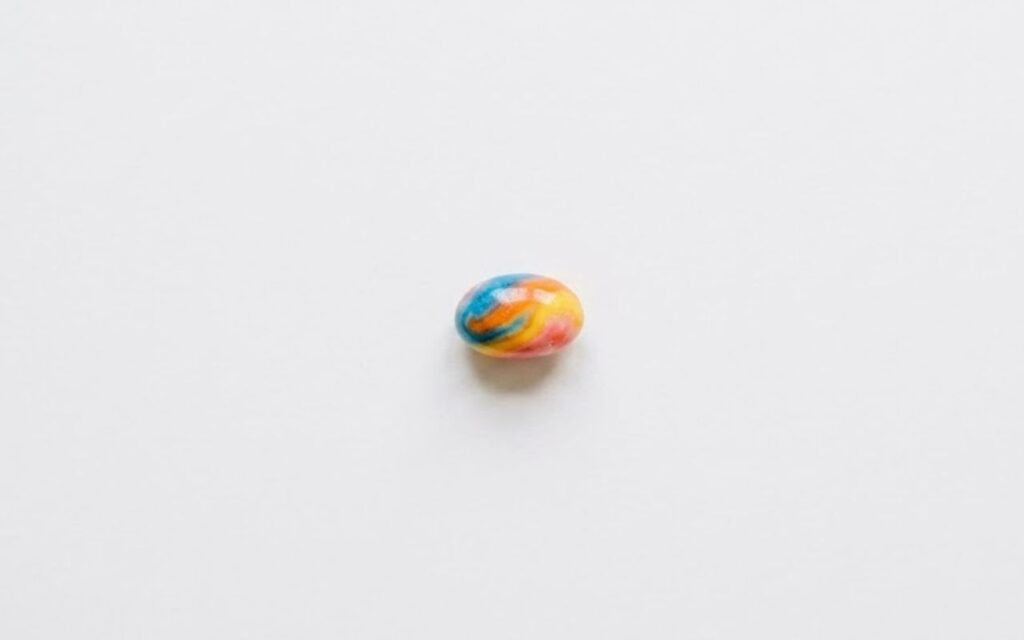
A single Jelly Bean weighs about 1 gram to 1.2 grams. These colorful candies are small, but their dense sugar content gives them noticeable weight for their size.
Different flavors and coatings can slightly change the final weight.
5. A Paper Clip
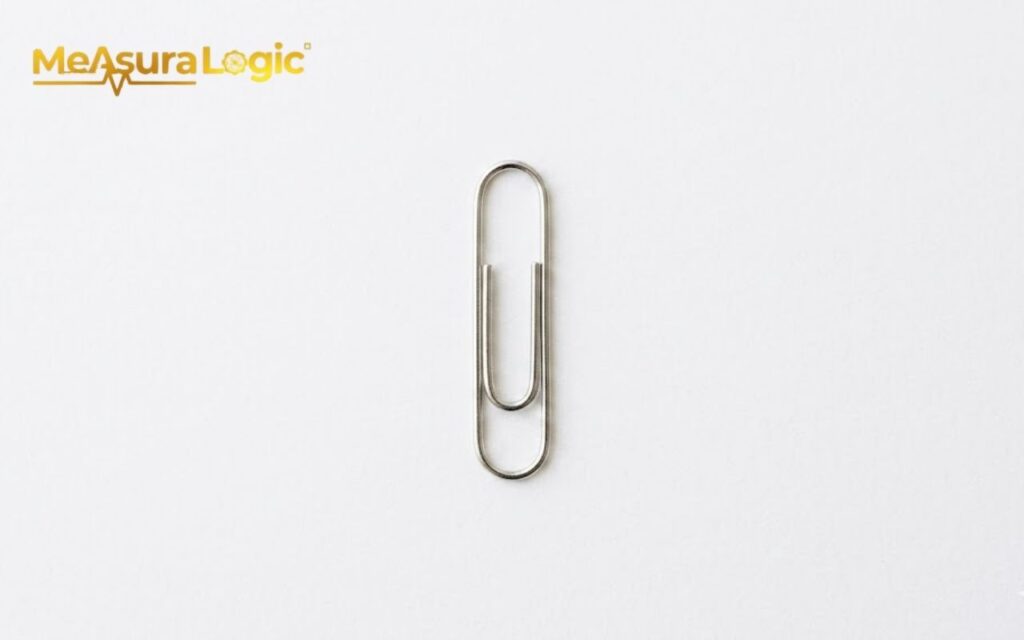
The classic paper clip remains one of the easiest 1 gram references. Standard clips made from thin steel wire weigh almost exactly one gram.
That’s why teachers and science classrooms often use them to explain small measurements.
6. A US Dollar Bill
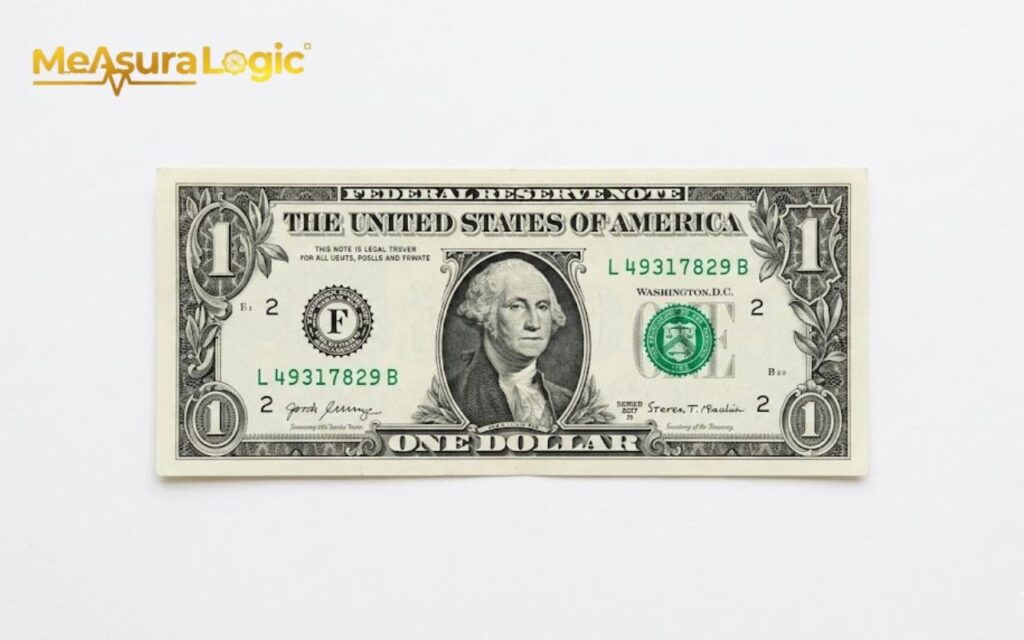
Every United States dollar bill weighs approximately one gram regardless of denomination.
Whether it’s a $1 bill or a $100 bill, the weight stays consistent because they use the same cotton-linen material blend.
Learn about, 15 Surprising Things That Weigh 100 Kilograms
7. A Pinch of Salt
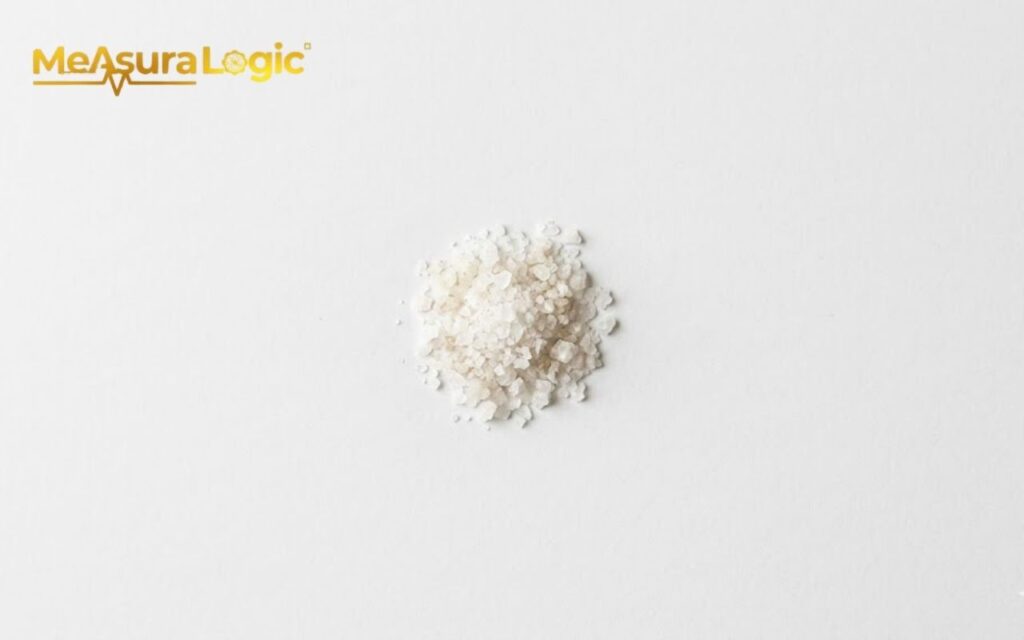
The type of salt matters when estimating weight — table salt, kosher salt, and sea salt all have different crystal sizes, so the same pinch can vary slightly between them.
Table salt has the finest and most uniform crystals, making a pinch of it the closest to a consistent one gram estimate compared to coarser varieties.
Salt is also hygroscopic, meaning it absorbs moisture from the air, which can make it slightly heavier in humid environments.
8. A Raisin
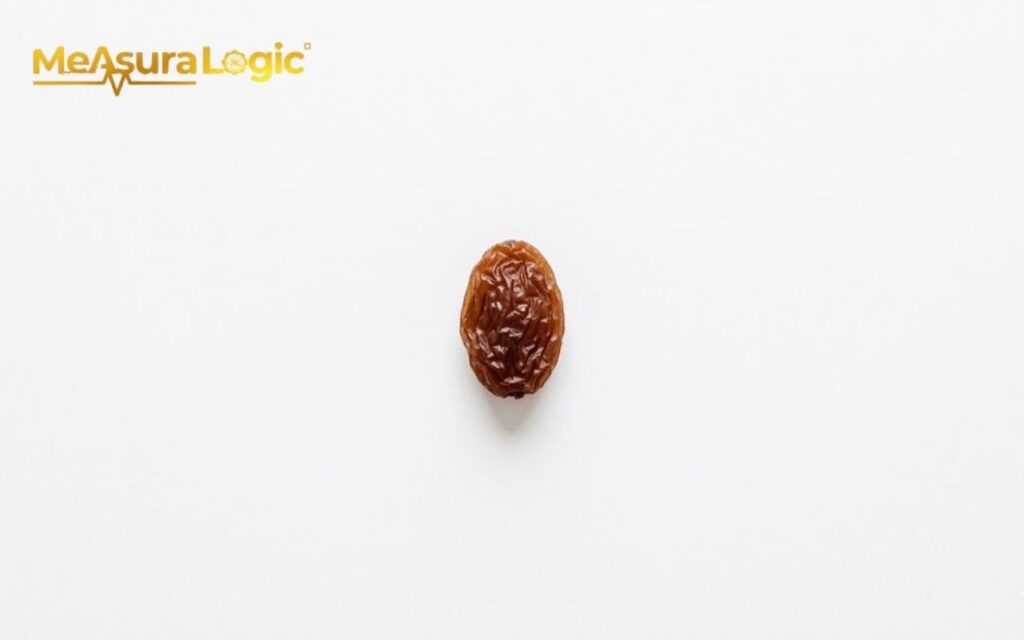
One Raisin typically weighs about 1 gram, although larger raisins may weigh slightly more.
Because raisins are dried grapes, their weight depends on moisture content and grape size.
9. 1 gram Birthday Candle
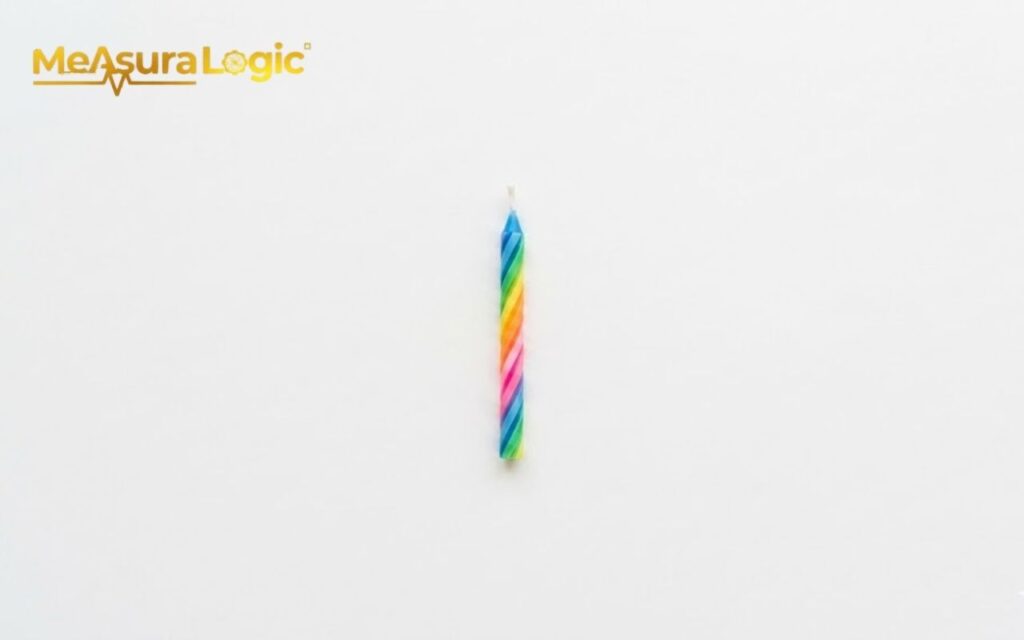
Those tiny spiral candles placed on birthday cakes weigh about 1 gram each.
Even though they are lightweight, their wax density gives them a bit more heft than people expect.
10. A Bottle Cap
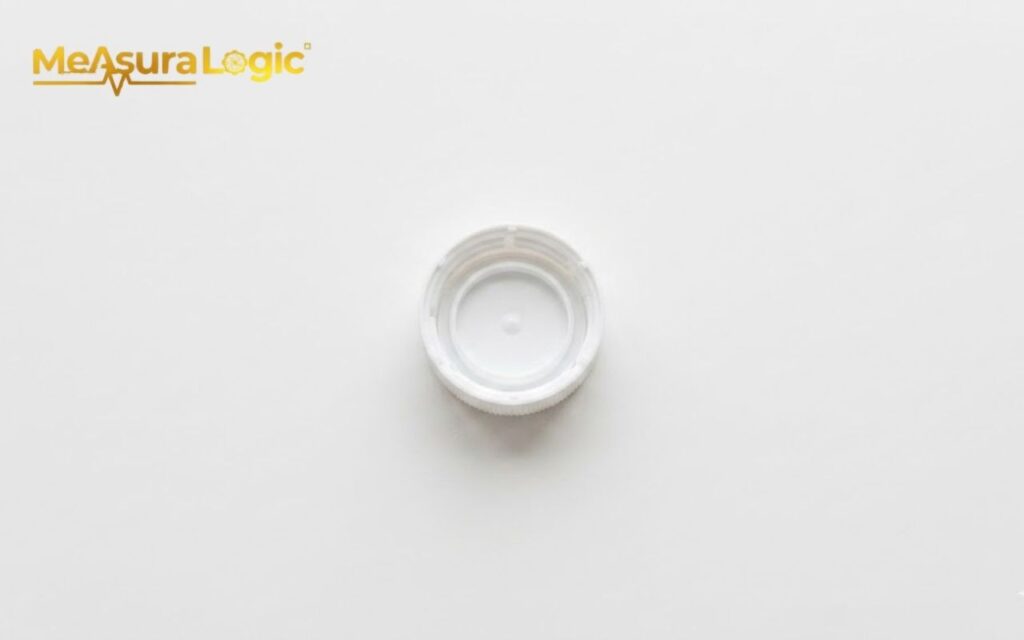
Most plastic bottle caps from water or soda bottles weigh around 1 gram.
Manufacturers intentionally keep them lightweight to reduce shipping costs and plastic usage.
Explore About, 10 Ounces Explained: 20 Everyday Things That Weigh 10 Ounces
11. One Small Grape
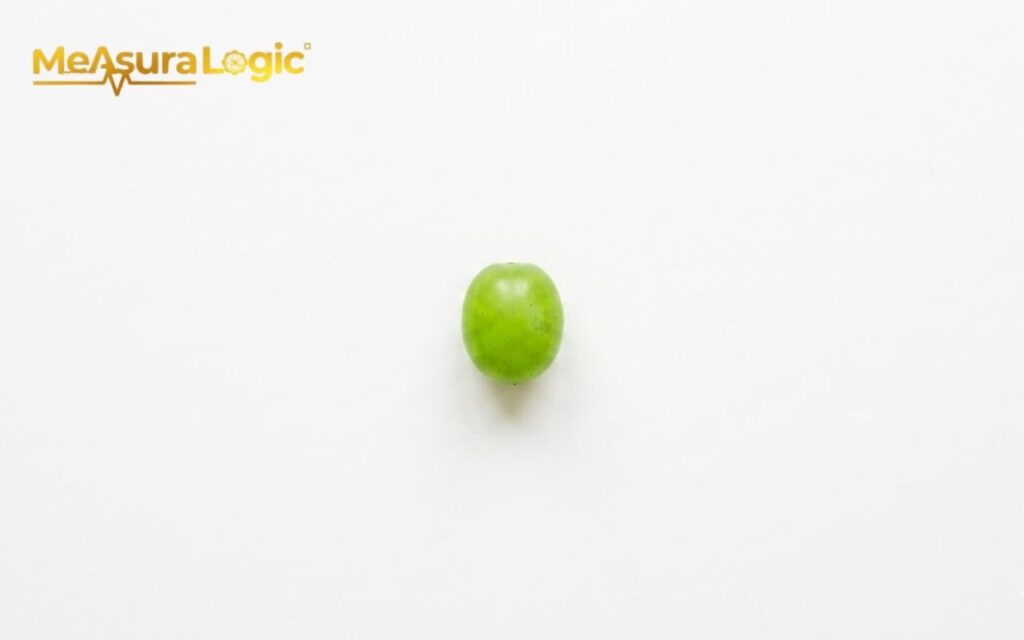
A small Grape can weigh close to 1 gram.
Green grapes are usually lighter, while black and red grapes tend to be slightly heavier because of thicker skins and higher juice content.
12. A Thumbtack
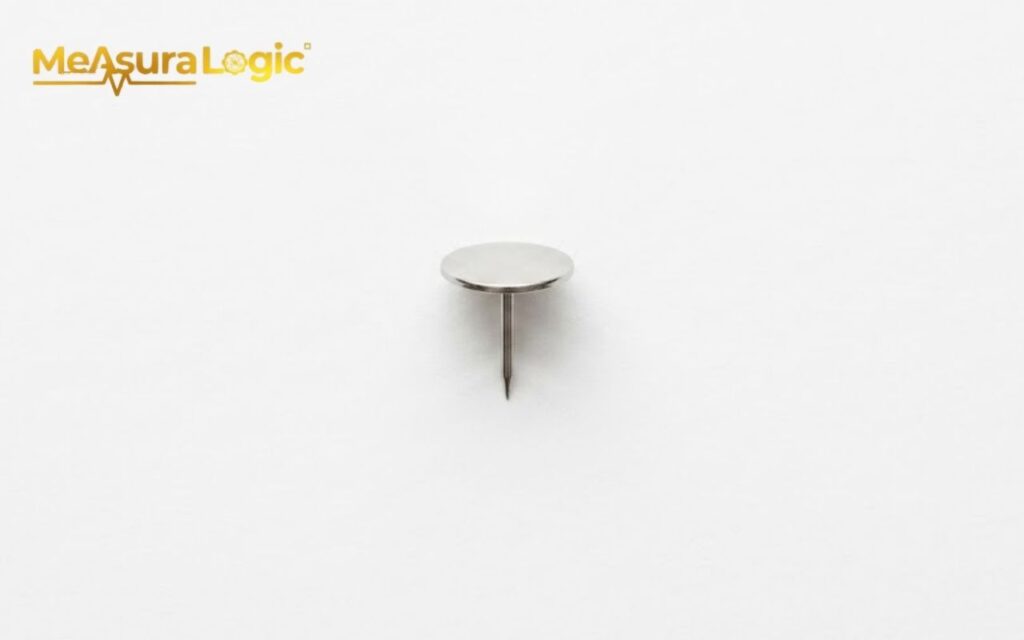
Standard thumbtacks used on bulletin boards weigh about 1 gram.
Despite their tiny size, they are strong enough to hold papers and lightweight decorations securely.
13. A Pen Cap
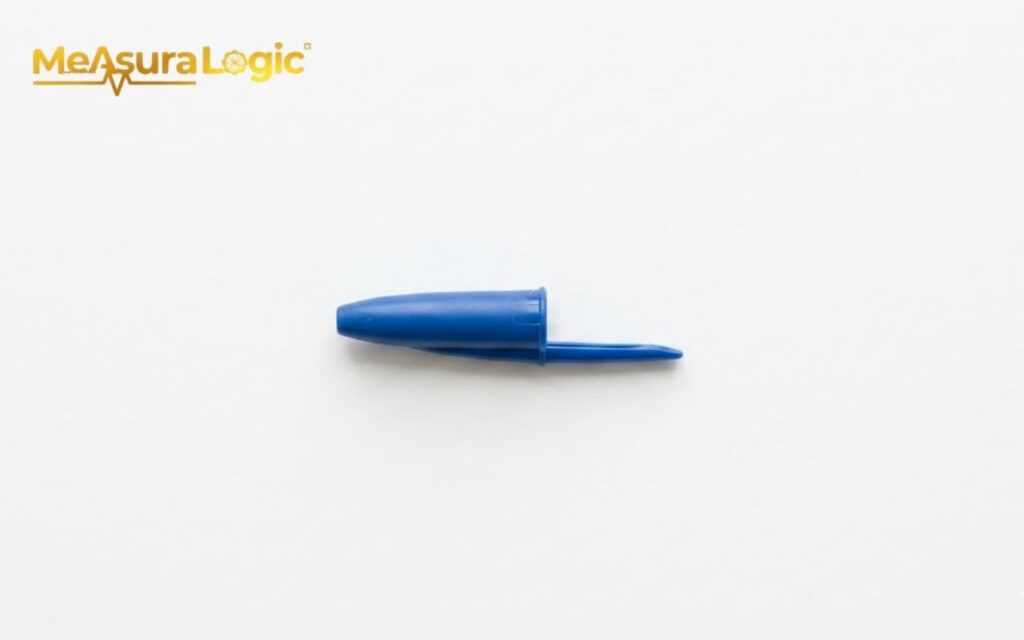
The cap from a basic Bic ballpoint pen weighs approximately 1 gram.
Most are made from lightweight plastic with small ventilation holes for safety.
14. A Silica Gel Packet
Small silica gel packets found inside shoe boxes or electronics packaging usually weigh around 1 gram.
These packets contain silicon dioxide beads that absorb moisture and help protect products from humidity.
15. Ten Wooden Toothpicks
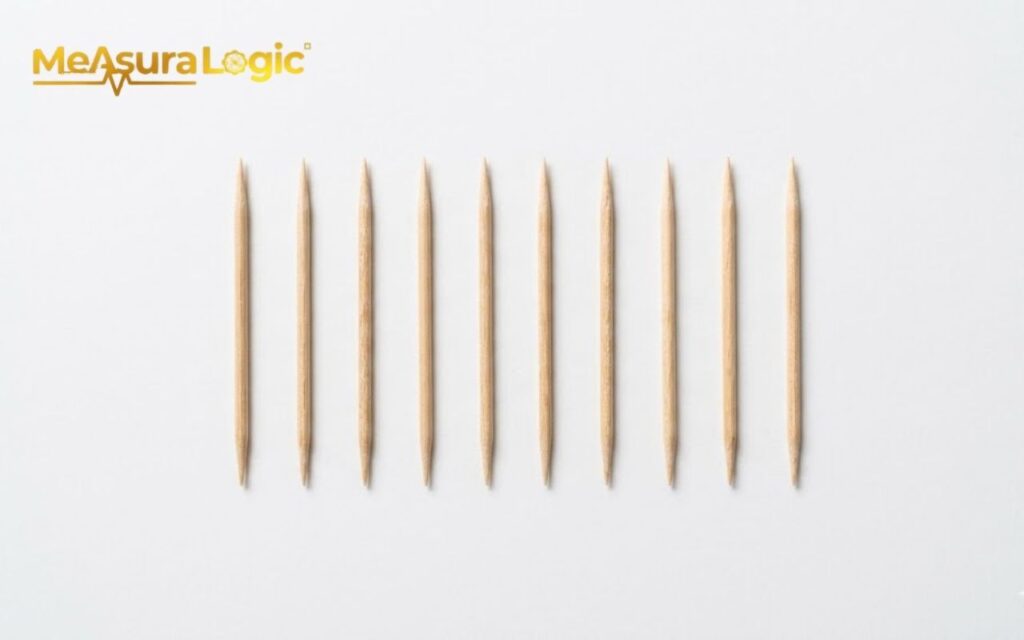
A single toothpick weighs very little, but around ten standard wooden toothpicks together weigh close to one gram.
This makes them useful for simple weight demonstrations in classrooms.
Find about, 20 Everyday Things That Weigh 10 Kilograms (2026)
16. One Quarter Teaspoon of Sugar
About one-quarter teaspoon of Sugar equals roughly 1 gram.
Powdered sugar, brown sugar, and raw sugar may weigh differently because of varying grain sizes and moisture levels.
17. A Small Butterfly
Some tiny Butterfly species weigh about half a gram each. Two together can total close to 1 gram.
Their extremely low weight helps them fly efficiently using delicate wings.
18. A Japanese 1 Yen Coin
The 1 yen coin is made entirely from aluminum, which was chosen after World War II when Japan needed an affordable metal for everyday currency.
Its exact 1-gram weight is maintained through precise minting standards set by the Japanese Mint, making it one of the most accurate real-world references for this measurement. Because aluminum is so light, the 1 yen coin has become famous for being buoyant enough to float on still water if placed gently on the surface.
How To Estimate 1 Gram Without a Scale
If you do not have a digital scale nearby, these quick comparisons can help:
- 1 paper clip ≈ 1 gram
- 1 dollar bill ≈ 1 gram
- 1 raisin ≈ 1 gram
- 1 ml of water ≈ 1 gram
- 1 jelly bean ≈ 1 gram
Using familiar objects makes small measurements easier to picture in daily life.
Why Understanding 1 Gram Matters
Learn About, Dead Sea Dimension, history, salinity, Science and facts explained
Small measurements are important in many situations, including:
- cooking and baking
- medication dosing
- jewelry weighing
- science experiments
- nutrition tracking
- mailing lightweight items
Even tiny differences can matter when precision is important.
Quick Quiz: How Well Do You Know 1 Gram?
Test your knowledge about everyday objects and small measurements!
1. How many standard paper clips does it take to weigh approximately one gram?
- A) 5 paper clips
- B) 1 paper clip
- C) 10 paper clips
- D) 3 paper clips
2. Which US coin is specifically designed to weigh exactly one gram?
- A) US penny
- B) US dime
- C) Japanese 1 yen coin
- D) US quarter
3. Approximately how many medium roasted coffee beans equal one gram?
- A) 2 to 3 beans
- B) 15 to 20 beans
- C) 7 to 8 beans
- D) 20 to 25 beans
4. What material blend is used to make US dollar bills?
- A) 100% cotton
- B) 75% cotton and 25% linen
- C) 50% cotton and 50% paper
- D) 100% linen
5. How many milligrams are in 1 gram?
- A) 10 mg
- B) 100 mg
- C) 10,000 mg
- D) 1,000 mg
6. Why do silica gel packets weigh more once used?
- A) The plastic packaging expands
- B) They absorb moisture from the air
- C) The beads grow larger over time
- D) They collect dust particles
7. Which type of salt gives the most consistent one gram pinch estimate?
- A) Kosher salt
- B) Sea salt
- C) Table salt
- D) Himalayan pink salt
8. How many wooden toothpicks together weigh close to one gram?
- A) 3 toothpicks
- B) 25 toothpicks
- C) 10 toothpicks
- D) 50 toothpicks
9. What makes the 1 yen coin famous beyond its exact one gram weight?
- A) It is made from gold
- B) It can float on still water
- C) It is the oldest coin in circulation
- D) It changes color in sunlight
10. A stack of 100 dollar bills weighs approximately how much?
- A) 10 grams
- B) 50 grams
- C) 100 grams
- D) 500 grams
Answers
- B
- C
- C
- B
- D
- B
- C
- C
- B
- C
Final Thoughts
Understanding what 1 gram looks and feels like becomes much easier when you compare it with everyday objects. Tiny household items, snacks, office supplies, and even coins can serve as practical weight references.
The next time you pick up a paper clip, raisin, or bottle cap, you will have a much better idea of just how light a single gram really is.
FAQs About 1 Gram
Why do digital scales sometimes show different readings for the same 1 gram object?
Digital scales can give slightly different readings depending on temperature, surface level, and calibration. Even a mildly uneven table or nearby vibrations can affect the sensor. For the most accurate 1-gram reading, always place your scale on a flat, stable surface and calibrate it before use.
Is 1 gram the same as 1 milliliter for all liquids?
Not exactly. The 1g = 1ml rule only applies to pure water at room temperature. Other liquids have different densities. For example, 1ml of honey weighs about 1.4 grams, while 1ml of olive oil weighs roughly 0.9 grams. So the conversion changes depending on what liquid you are measuring.
How do jewelers and gemologists use grams in their work?
Jewelers typically work in grams for metals like gold and silver, but gemstones are measured in carats where 1 gram equals exactly 5 carats. A small diamond weighing just 0.2 grams is already a 1 carat stone, which shows how sensitive gem pricing is to even the tiniest weight differences.
Can weather or humidity affect how much something weighs on a scale?
Yes, it can. High humidity causes some materials especially food items, paper, and fabric to absorb moisture from the air, which slightly increases their weight. This is why laboratory grade measurements are taken in controlled environments.
Learn about 19 Everyday Things That Weigh 50 Pounds

Joss River is an experienced blogger at Measura Logic, focusing on all aspects of measurements. He uses his profound knowledge to demystify complex topics, covering everything from standard units and precision to the history and logic of various measuring systems. Joss helps readers achieve a deeper understanding and appreciation for accurate data and reliable measurements.