
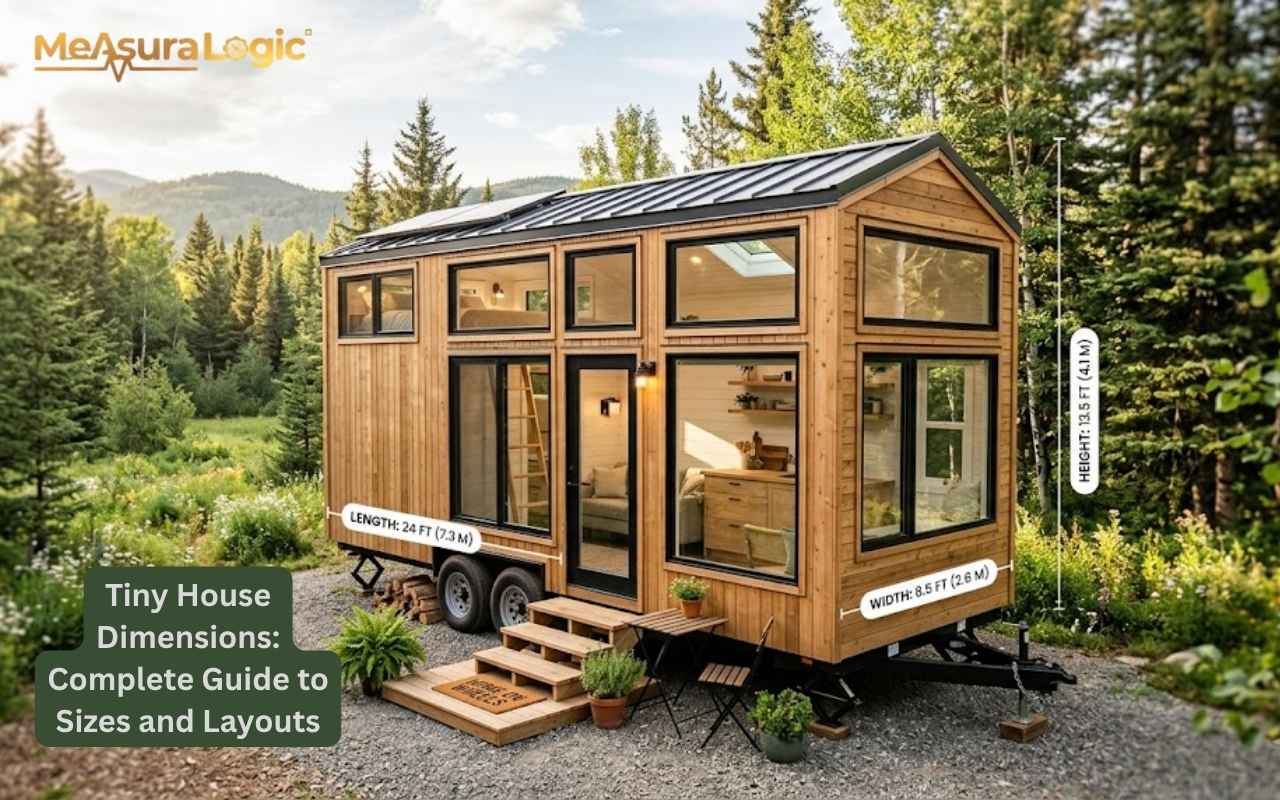
Tiny living sounds simple on the surface. Less space, fewer things, lower costs. But once you actually start planning, one question hits hard: How big should your tiny house really be?
Pick a size that is too small, and daily life starts feeling like a struggle. Go too big, and you lose the entire point of living tiny.
That is why understanding tiny house dimensions is not just helpful, it is essential. This guide breaks down real numbers, layout strategies, legal limits, and practical examples so you can make a smart decision from day one.
Brief History of Tiny Homes
The idea of tiny homes is not entirely new, but the modern movement took off in the late 1990s and early 2000s, largely thanks to Jay Shafer, who built and promoted some of the first contemporary small houses on trailers. Interest surged after the 2008 financial crisis, when people began seeking affordable and minimalist living options.
Over time, these compact dwellings gained popularity across the United States and later worldwide, driven by rising housing costs, sustainability trends, and a growing desire for simpler lifestyles.
What Defines a Tiny House?
Most people assume tiny homes are just smaller versions of regular houses. That is only half true.
Technically, a tiny house falls between 100–400 square feet of total living space. However, the concept goes deeper than that. These compact dwellings are designed around efficiency, not excess.
Instead of wasting space on unused rooms, every inch serves a purpose. That is why you will often see features like loft sleeping areas, foldable furniture, and built in storage.
There are two main types you will come across:
- Tiny homes on wheels (also called THOW or mobile tiny homes)
- Stationary homes built on permanent foundations
Both follow different rules, especially when it comes to tiny home dimensions, legal limits, and design flexibility.
So when someone says “tiny house,” they are really talking about a mix of minimalist homes, mobile homes, and small house solutions designed for intentional living.
Standard Tiny House Dimensions
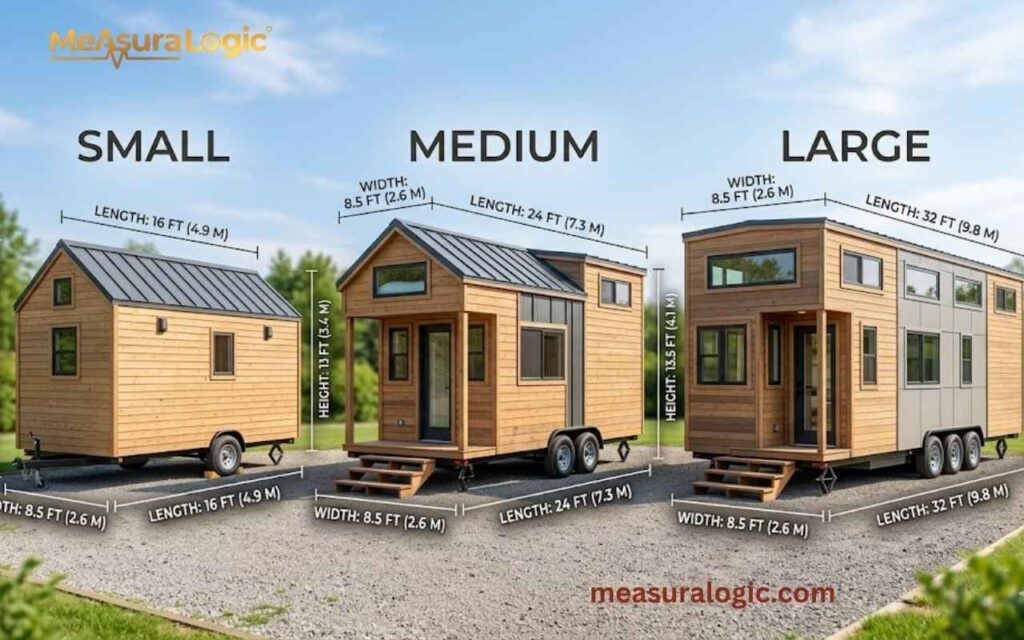
Let’s get into actual numbers because vague ranges won’t help you plan anything. Most tiny homes follow a predictable pattern when it comes to standard sizes.
Typical Length, Width, and Height
For tiny houses on wheels, dimensions are heavily influenced by road laws.
- Width: 8 to 8.5 feet
- Length: 16 to 32 feet
- Height: Up to 13.6 feet (legal road limit)
This creates an average square footage range of:
- 120 sq ft (smallest practical homes)
- 400 sq ft (upper limit for most THOW designs)
Here is a clearer breakdown:
| Category | Length | Width | Square Feet |
|---|---|---|---|
| Compact | 16–20 ft | 8–8.5 ft | 120–160 sq ft |
| Standard | 20–28 ft | 8–8.5 ft | 160–300 sq ft |
| Large | 28–32 ft | 8–8.5 ft | 300–400 sq ft |
These are considered common dimensions across the industry.
Interior Height and Loft Space
Height plays a bigger role than most people expect. Inside a typical tiny home:
- Main living area height: 6.5–7.5 feet
- Loft space: 3–5 feet
That loft might feel cozy at first. After a few weeks, it either feels efficient or claustrophobic depending on design.
That’s why experienced tiny home builders carefully balance headroom and storage when planning layouts.
Why Width Is So Limited
You might wonder why almost every tiny home looks narrow. It comes down to transportation laws.
The maximum legal width for road travel without permits is 8.5 feet. Go wider, and your home becomes a “wide load.” That means:
- Special permits
- Escort vehicles
- Restricted travel routes
For most people, that is not worth the hassle. So tiny homes on wheels stick to this limit.
Learn about everyday objects that weigh 10 pounds
Tiny Houses on Wheels: Trailer Sizes, Weight & Legal Limits
If mobility matters to you, this section is critical. A tiny house trailer is not just a base, it determines your entire design.
Common Trailer Dimensions Explained
Most tiny house builders use standard trailer lengths:
| Trailer Length | Typical Use | Living Space |
|---|---|---|
| 16 ft | Minimalist setup | ~120 sq ft |
| 20 ft | Solo living | ~160 sq ft |
| 24 ft | Balanced design | ~200–250 sq ft |
| 28 ft | Couples | ~250–300 sq ft |
| 30–32 ft | Families | ~300–400 sq ft |
These trailer dimensions follow road-safe proportions:
- Width: 8–8.5 ft
- Height: Max 13.6 ft
- Length: Usually under 30 ft for easier towing
Weight Limits (Where Most People Go Wrong)
Here is the reality, tiny homes are heavier than they look. A finished tiny house trailer setup usually weighs between:
- 10,000 to 20,000 pounds
The most common legal weight limit is around 14,000 pounds.
If you exceed this:
- You may need permits
- Towing becomes risky
- Some roads may be off-limits
This is why experienced custom home builders always calculate weight early in the design phase.
Towing Requirements
You ca not tow a tiny home with a regular car. Not even close.
You will need:
- A heavy-duty truck
- Strong towing capacity (12,000–20,000 lbs)
- Proper hitch system
Many first-time buyers overlook this. Then they realize their “mobile” home is not easy to move at all.
Tiny House Size Categories (Detailed Breakdown With Real Use Cases)
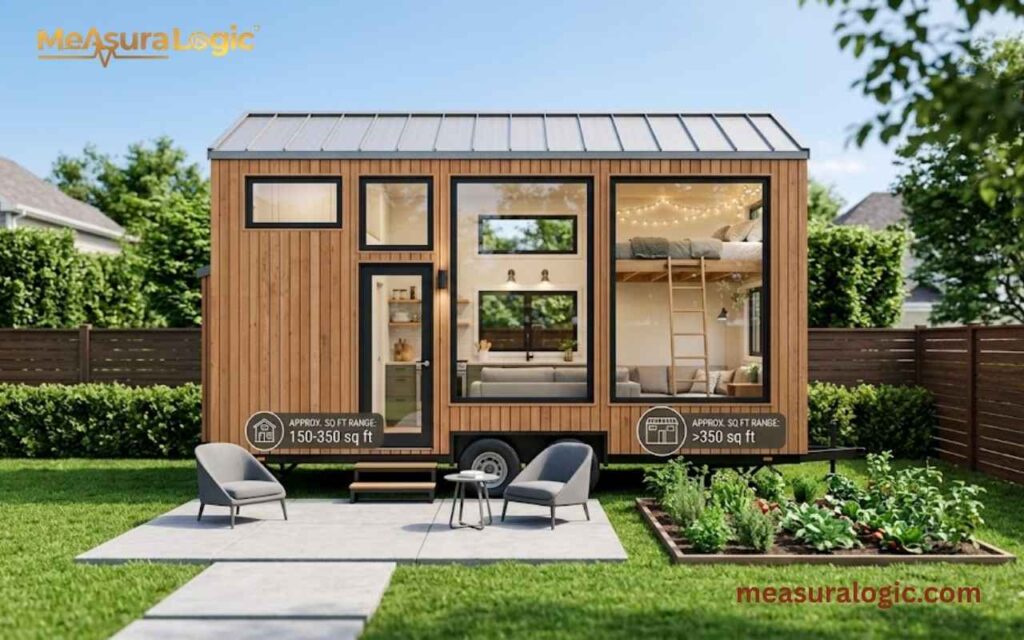
Not all tiny homes feel the same. Size changes everything, from comfort to daily routines.
Under 100 Square Feet (Extreme Minimalism)
These homes push limits.
At this size, you’re working with a compact area that barely fits essentials. Most designs skip full bathrooms or rely on shared facilities.
People who choose this size usually:
- Want ultra-low cost living
- Use it as a backyard office
- Treat it as a temporary setup
Living here full-time requires serious lifestyle adjustments. Storage is minimal. Movement is restricted.
100–200 Square Feet
This is where tiny house dimensions start becoming practical. You can fit:
- A small kitchen
- Compact bathroom
- Sleeping loft
However, space still feels tight. You’ll notice limitations when:
- Cooking
- Hosting guests
- Storing seasonal items
Still, for solo full time living, this range works surprisingly well.
200–300 Square Feet
Most people settle here and for good reason.
Read about 10 inches long objects with a clear visual guide.
This range balances:
- Comfort
- Functionality
- Mobility
You will typically get:
- Defined kitchen area
- Full bathroom
- Loft or ground-level bed
- Decent storage
It is no longer just a small house solution. It starts feeling like a real home.
300–400 Square Feet
Now things open up. At this size, tiny homes feel closer to studio apartments.
You can include:
- Larger kitchen
- Dedicated seating area
- Workspace
- Extra storage
Couples and small families often prefer this range. It supports daily life without constant compromise.
Fixed Tiny house vs Mobile Tiny house
This choice changes everything.
Tiny house on Wheels
These are:
- Portable
- Limited by trailer sizes
- Designed for flexibility
Perfect if you:
- Move frequently
- Want travel freedom
- Prefer off-grid living
Stationary Tiny house
Also called fixed tiny houses or foundation homes, these offer more freedom in design.
Because they are not restricted by trailers:
- You can build wider
- You can build taller
- Layout options expand significantly
However, they must follow:
- Local zoning regulations
- Building codes
- Permit requirements
Smart Layout Planning
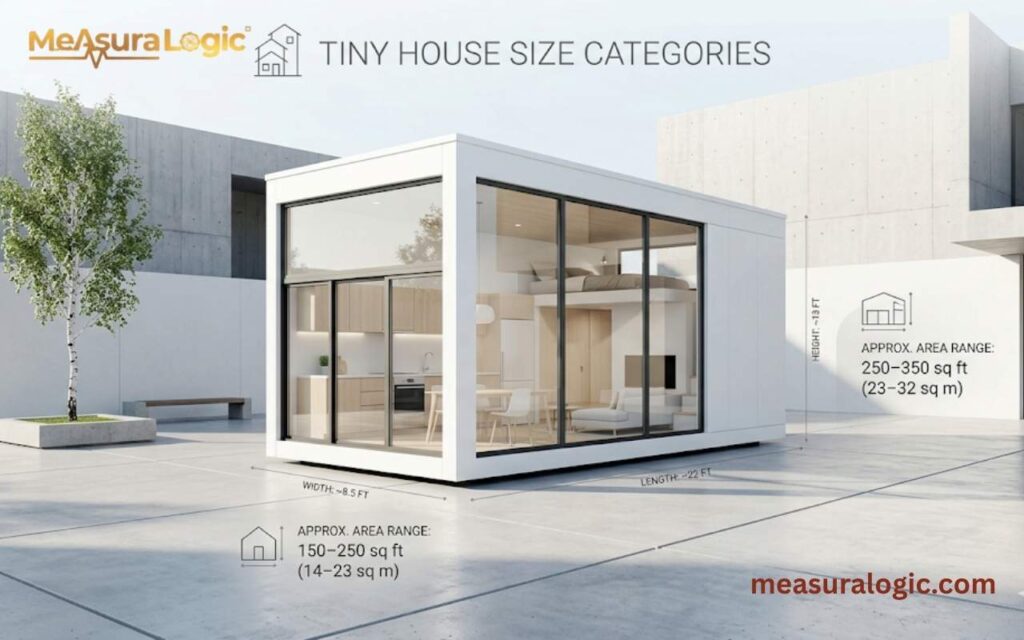
Even the best tiny home dimensions won’t save a bad layout.
Space Zoning Strategy
Divide your living area into clear zones:
- Sleeping
- Cooking
- Storage
- Relaxing
Avoid overlap unless necessary. Clear zones make a small space feel organized.
Read about how long is 5 inches?
Loft vs Ground-Level Sleeping
Lofts save floor space but come with trade-offs.
They:
- Limit headroom
- Require climbing
- Can feel cramped over time
Ground-level beds take more space but improve comfort. Many modern designs combine both.
Multi Functional Furniture
This is where maximizing space becomes practical.
Use:
- Murphy beds
- Fold-out tables
- Hidden storage compartments
- Built-in shelves
These features turn small homes into adaptable spaces.
Factors That Influence Tiny House Dimensions
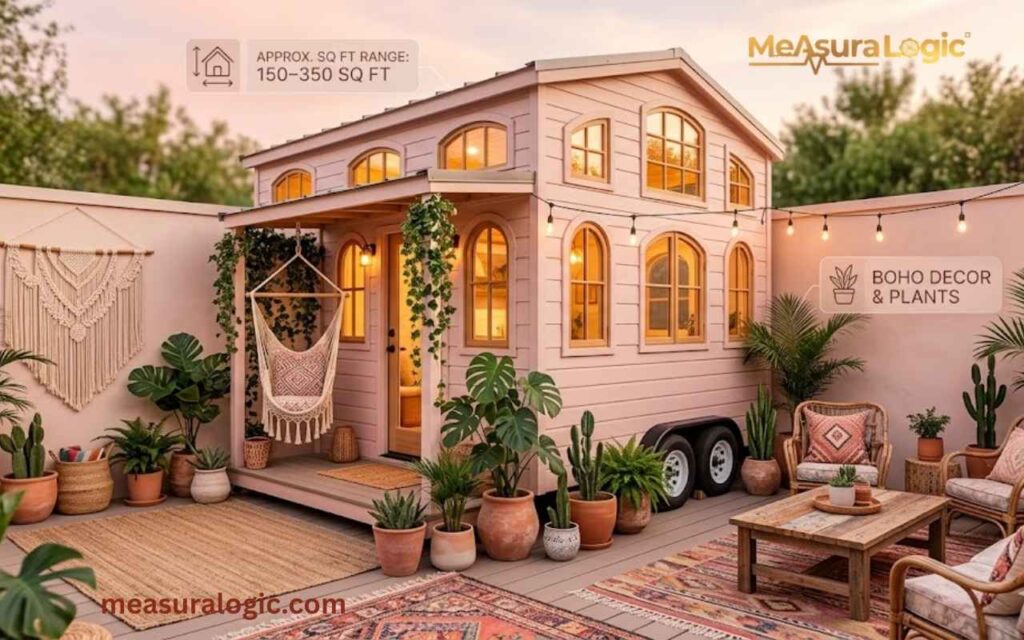
Choosing the right size isn’t random. It depends on:
Lifestyle Needs
Your daily routine shapes your ideal space more than anything else. If you cook often, you will need a functional kitchen. If you work from home, a dedicated desk area becomes non-negotiable.
A single person can live comfortably in a compact layout, while couples or families usually need extra room for privacy, storage, and movement.
Climate Conditions
Weather quietly affects your home’s size and structure. In colder regions, thicker insulation and double walls are essential, which slightly reduces usable interior space.
On the flip side, warmer climates allow lighter materials and more open designs, giving you a bit more flexibility with layout and airflow.
Mobility Requirements
If you plan to move your home regularly, size becomes a practical constraint. Smaller homes are easier to tow, park, and maneuver without special permits.
Larger builds may offer more comfort, but they can limit where you go and how often you relocate.
Budget Constraints
Cost grows quickly as size increases. More square footage means higher spending on materials, labor, utilities, and transportation.
Even small additions like extra storage or a larger bathroom can raise the overall budget, so balancing comfort with affordability is key.
Zoning Laws and Legal Considerations
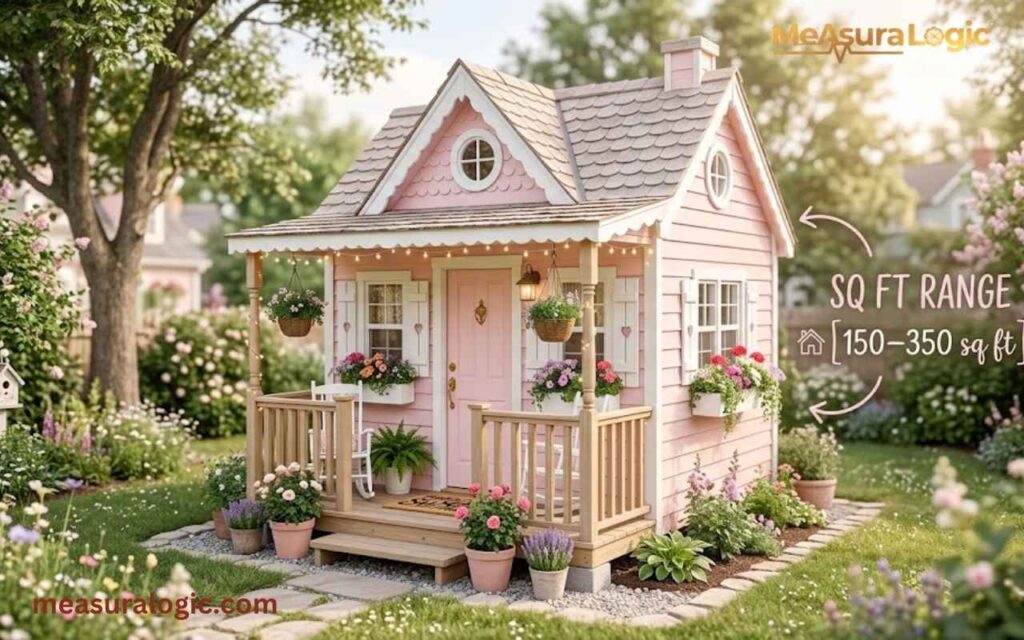
Ignoring this part can ruin your entire plan.
Road Regulations (For THOW)
To stay road legal:
Learn about New York City: Dimensions, Population, and Essential Facts
- Width: 8.5 ft
- Height: 13.6 ft
- Weight: ~14,000 pounds
These fall under DoT regulations and safety standards.
Placement Rules
Not every area allows tiny homes.
Check:
- Local zoning laws
- Parking restrictions
- Building codes
Legal locations often include:
- RV parks
- Rural land
- Tiny home communities
Example: Austin Home Initiative
The austin home initiative shows how cities are adapting.
It promotes:
- Affordable housing
- Small home solutions
- Flexible zoning policies
Programs like this are slowly making tiny living more accessible.
Real Tiny House Examples
Let’s look at how actual homes work in real life.
20 ft Tiny House (~160 sq ft)
This setup works best for solo living.
Inside, you’ll typically find a compact kitchen along one wall, a small bathroom tucked into the back corner, and a loft bed above. Storage is built into stairs or walls.
It feels efficient but requires discipline. Every item needs a place.
24 ft Tiny House (~220 sq ft)
This is one of the most balanced designs.
You get:
- Better kitchen space
- Comfortable bathroom
- More storage
Couples can live here without feeling cramped. The layout allows smoother movement and better organization.
28–32 ft Tiny House (~300–400 sq ft)
This is where tiny homes feel spacious.
These designs often include:
- Separate seating area
- Larger kitchen
- Dedicated workspace
Families or long-term residents usually prefer this range. It reduces daily friction and makes the home more livable.
Explore About How Big Is Chicago? Exploring the Size, Layout, and its Charm
Cost vs Size (What You Actually Pay)
Size directly affects cost, but not always linearly.
| Size | Estimated Cost |
|---|---|
| 100–200 sq ft | $20,000–$50,000 |
| 200–300 sq ft | $50,000–$90,000 |
| 300–400 sq ft | $90,000–$150,000+ |
Working with a custom home builder or tiny home builders increases quality but also cost.
How to Choose the Right Tiny House Size
Here’s a simple guide:
| Lifestyle | Recommended Size |
|---|---|
| Solo minimalist | 100–200 sq ft |
| Solo comfort | 200–300 sq ft |
| Couple | 250–350 sq ft |
| Small family | 300–400 sq ft |
Think about:
- Daily routine
- Storage needs
- Future plans
Maximizing Space in Tiny house
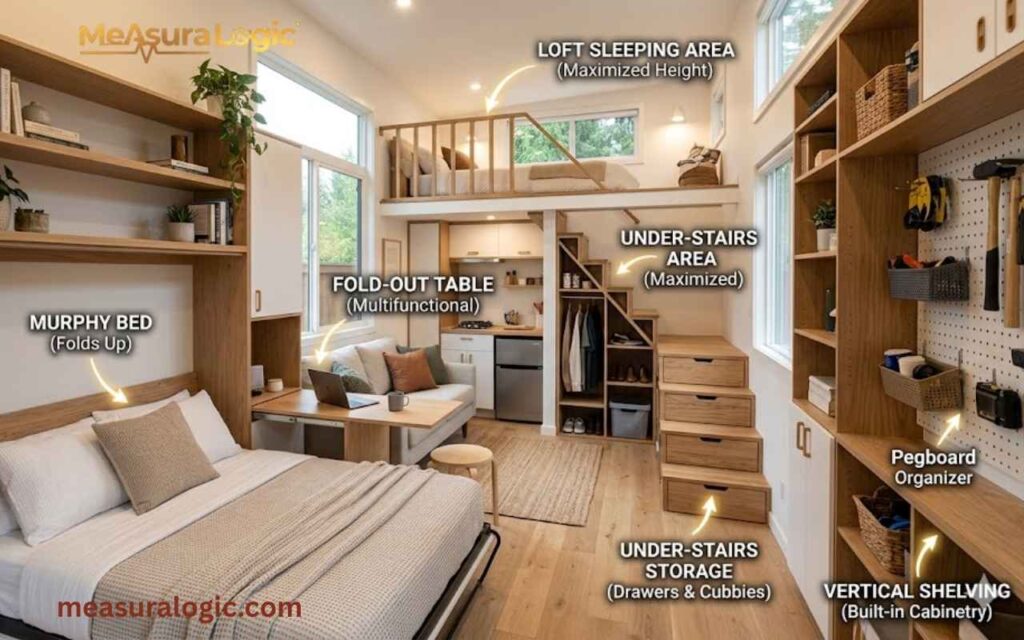
Small spaces demand smart design.
Use:
- Vertical storage
- Built-in shelves
- Hidden compartments
Let natural light in. It makes a huge difference.
A well-designed 250 sq ft home can feel bigger than a poorly designed 400 sq ft one.
Fun Facts About Tiny House
- Some tiny homes cost less than a car
A basic tiny home can start around $20,000, which is cheaper than many new vehicles. Of course, high end builds can go way beyond that. - You can build one in under 3 months
With the right tiny home builders or a solid DIY plan, many compact dwellings are completed in just 8–12 weeks. - They can fit almost anywhere
Thanks to their small footprint, many mobile tiny homes can be parked in RV parks, backyards, or rural land (as long as zoning regulations allow it). - Tiny does not mean low-tech
Modern minimalist homes often include smart lighting, solar panels, and advanced storage systems proving small spaces can still be seriously innovative.
Quick Interactive: What is Your Ideal Tiny House Size?
Not sure which size fits you best? Take a few seconds and answer this:
- Do you plan to live solo or with others?
- Will this be full time living or occasional use?
- Do you need space for work, storage, or hobbies?
- Are you choosing mobility or a fixed location?
Now match your answers:
- Mostly “solo + minimal needs” → 100–200 sq ft might work
- Need comfort + daily living → 200–300 sq ft is a safe zone
- Living with someone or want extra space → 300–400 sq ft fits better
Quick thought: If you had to live in this space for a year, what would you miss the most?
That answer usually tells you exactly how much space you actually need.
Final Thoughts
Tiny living isn’t about squeezing into the smallest possible space. It’s about choosing the right space.
When you understand tiny house dimensions, everything else becomes easier—layout, comfort, mobility, and cost.
Get the size right, and your tiny home won’t feel small. It’ll feel just right.
FAQs About Tiny House Dimensions
1. Can you expand a tiny house later if you need more space?
In most cases, expanding a tiny home isn’t as simple as adding a room like a traditional house. For tiny homes on wheels, the trailer size limits expansion completely. However, with stationary homes, you can sometimes add extensions or separate accessory structures if local zoning laws allow it.
2. How much storage space should a tiny house realistically have?
A well-designed tiny house should dedicate at least 10–15% of its total square footage to storage. This includes built-in cabinets, under-floor compartments, and vertical shelving. Without proper storage planning, even larger compact dwellings can quickly feel cluttered and uncomfortable.
3. Do tiny houses feel smaller than their actual square footage?
They can but only if poorly designed. Smart layouts, natural lighting, and multi functional furniture can make a 250 sq ft home feel open and livable. On the other hand, bad design choices can make even 350 sq ft feel cramped, which is why layout matters just as much as size.
Find about 20 everyday Items That Are 7 Inches Long

Maria Gold is an experienced blogger for Measura Logic, specializing in the fascinating world of dimensions. With a passion for clarity and precision, she breaks down complex concepts related to measurement, size, and spatial relationships. Her insightful articles help readers understand the true logic and implications of different dimensions, from the physical to the theoretical.