
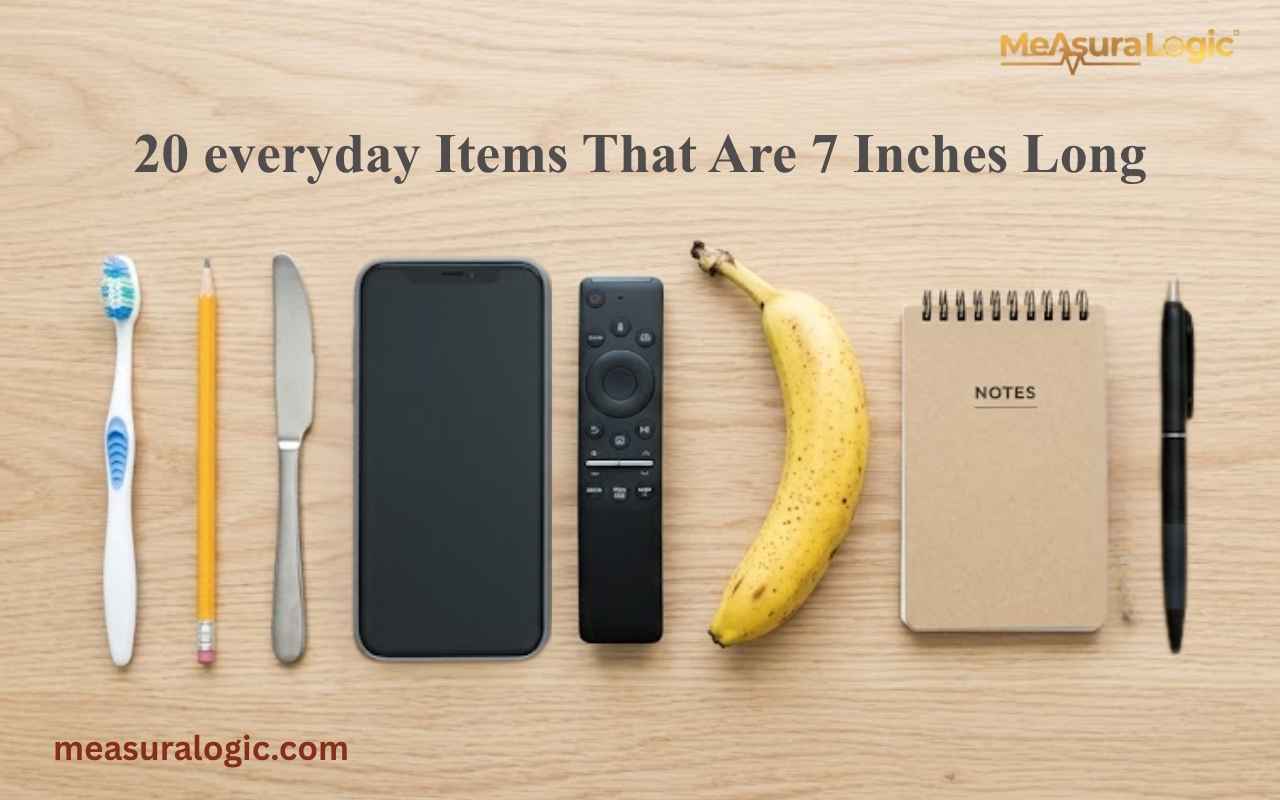
You do not always have a ruler nearby. Maybe you are shopping online, checking if something fits, or estimating size during a quick task. In those moments, knowing what 7 inches long looks like can save you from guesswork. Now here is the interesting part.
Your daily environment already contains dozens of everyday items that quietly measure around 17.78 centimeters or 0.583 feet. Once you learn to recognize them, you gain a built-in measuring system you can use anywhere.
This guide does not just list items. It helps you understand, visualize, and apply that knowledge in real life.
Quick Conversion of 7 Inches
Before diving deeper, lock in the numbers. This gives you clarity across systems.
| Measurement Type | Value |
|---|---|
| Inches | 7 inches |
| Centimeters | 17.78 centimeters |
| Feet | 0.583 feet |
| Millimeters | 177.8 mm |
That means 7 inches sits just over half foot, which explains why it feels “medium-sized” in most handheld objects.
How Long Is 7 Inches? A Real-World Feel
Numbers do not stick. Experiences do.
Stretch your hand out and look at the distance from your wrist to knuckles. That is one of the most reliable body reference measurements for 7 inches long.
Now imagine holding something like a toothbrush or a pencil. That is the size range we are working with.
Think of 7 inches as “comfort length”, big enough to hold securely, small enough to control easily.
This is why so many tools, utensils, and gadgets naturally fall into this range.
Find about 4 inches measurement
Household & Kitchen Items That Measure Around 7 Inches
Step into your kitchen and you will find several tools designed around this exact length. These items make excellent real world references because you use them almost every day.
1. Butter Knife (Everyday Flatware Standard)
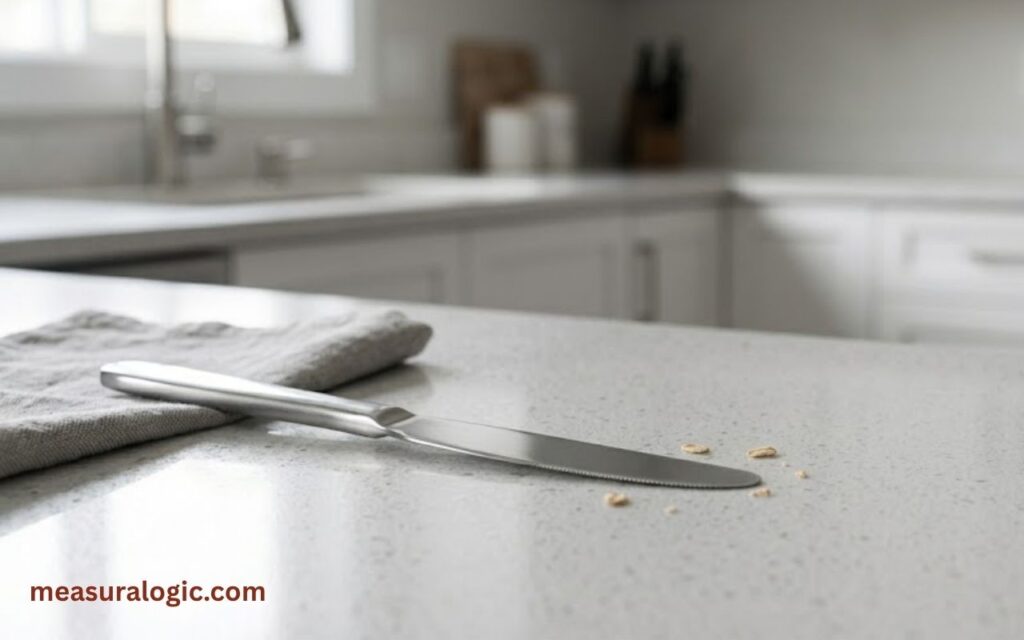
A butter knife is one of the most consistent references you will find.
It is not random. Manufacturers design dinner knives within a tight size range so they feel balanced in hand and fit neatly in flatware sets.
- Stored in almost every kitchen drawer
- Designed for smooth spreading across bread slices
- Length optimized for grip and control
Because of that standardization, this simple kitchen utensil becomes a surprisingly accurate measuring tool.
2. 7 inches Kitchen Spatula (Compact Cooking Tool)
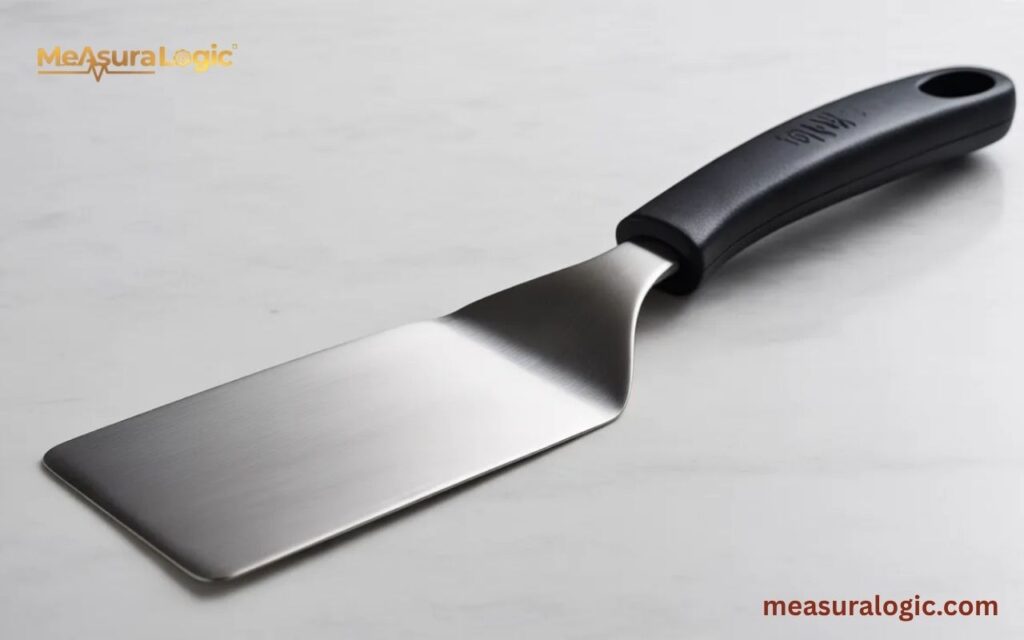
A smaller kitchen spatula, especially one used for flipping pancakes or eggs, often lands close to 7 inches long.
Why that size?
Because it offers a sweet spot between reach and precision. Too long, and you lose control. Too short, and you risk burns or awkward angles.
- Used daily by home cooks
- Provides excellent control coverage
- Ideal for quick cooking tasks like flipping or stirring
It is engineered for efficiency, which makes it a reliable reference.
3. Salad Fork (Precision Dining Tool)
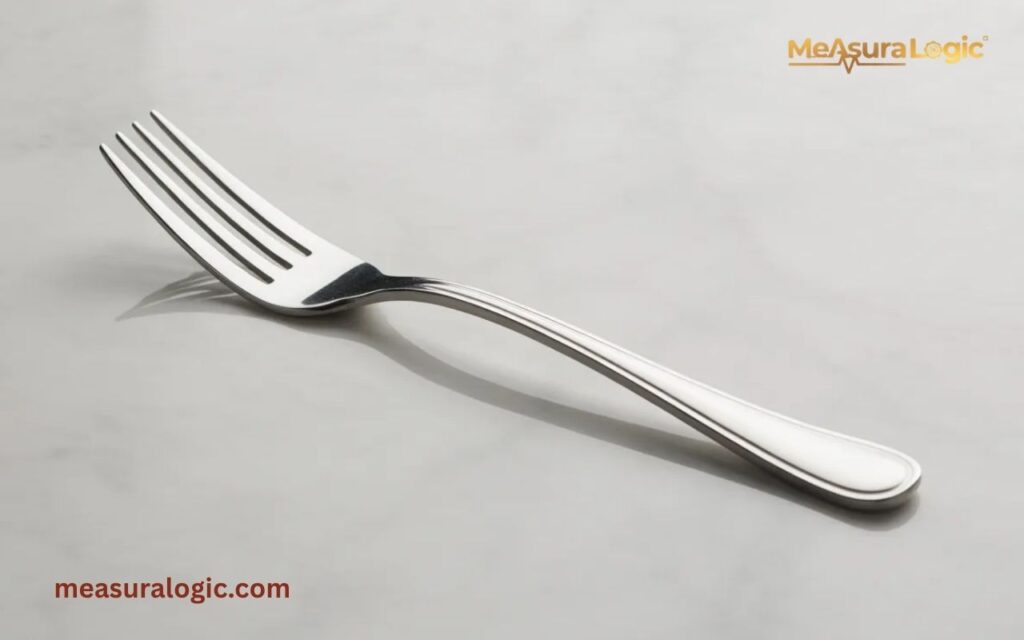
A salad fork may look small, but its size is intentional.
Unlike a full dinner fork, it is designed for lighter meals and smaller bites. Most flatware manufacturers keep it close to 7 inches to maintain ergonomic comfort.
- Fits naturally into formal place settings
- Balanced for easy grip at the dining table
- Designed for comfortable eating without strain
That consistency makes it another dependable everyday benchmark.
4. Dessert Plate Diameter (Visual Circle Reference)
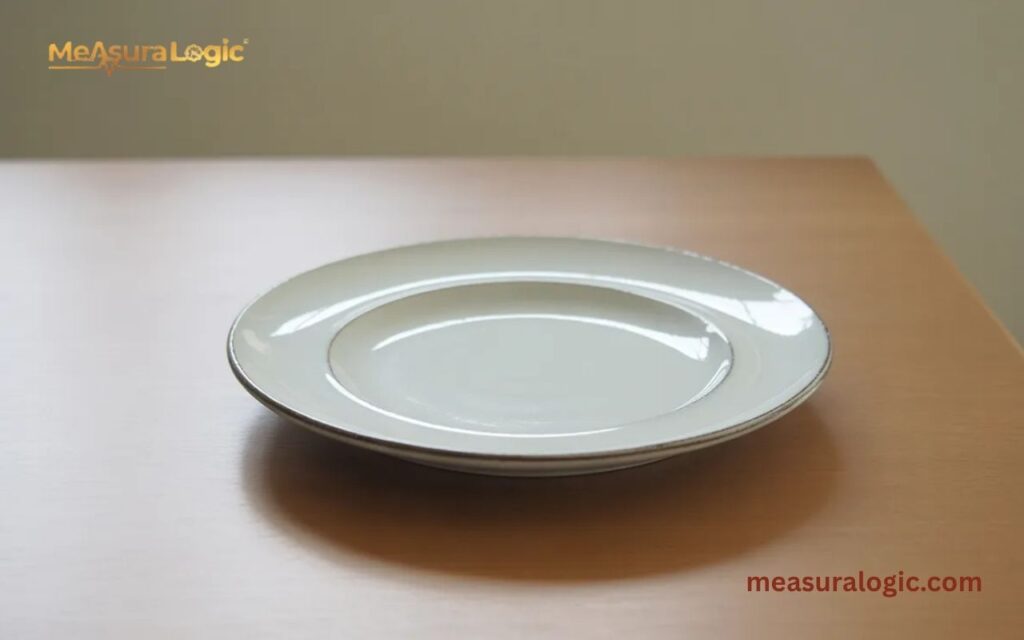
Take a dessert plate and measure across its center.
Many small plates fall very close to 7 inches in diameter. This size works perfectly for serving cakes, pastries, or light snacks.
- Ideal for individual servings
- Common in both homes and restaurants
- Smaller than standard dinner plates
This gives you a circular visual reference instead of a linear one, which helps in different scenarios.
5. Compact Kitchen Knife (Precision Blade Length)
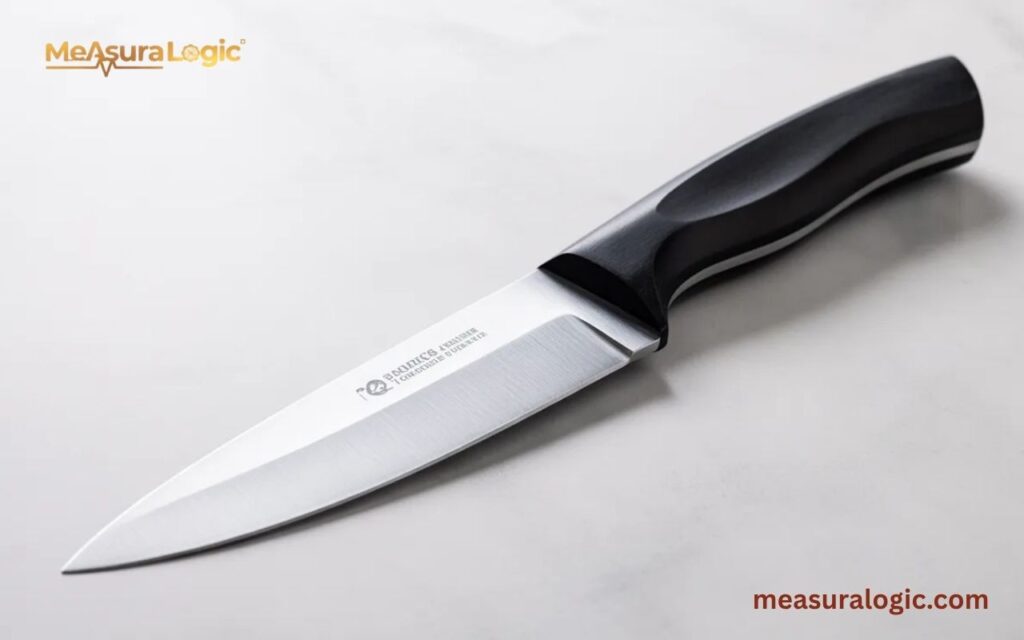
Not all knives are large chef knives. A compact kitchen knife used for slicing fruits or trimming vegetables often measures around 7 inches.
- Offers a precision blade for detailed cuts
- Provides a smooth grip for controlled handling
- Common in daily food prep routines
Its length is carefully chosen to balance sharpness, safety, and maneuverability.
Tech & Gadgets Close to 7 Inches
Modern devices are built for comfort and usability. That is why many handheld objects in tech fall right around the 7 inches range.
1. Modern Smartphones (Large Models)
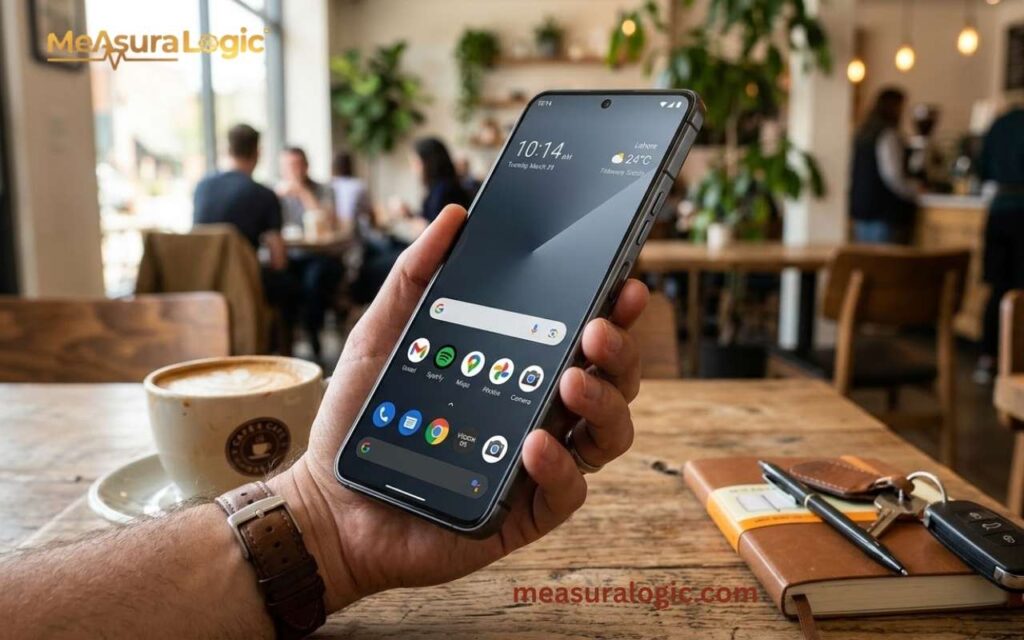
Today’s modern smartphones, especially flagship devices like iPhone Pro Max or Samsung Galaxy, have dimensions that hover around 7 inches long.
This is not accidental.
Manufacturers aim for a size that maximizes screen space while staying pocket-friendly.
- Screen height often approaches 7 inches
- Comfortable for one-handed or two-handed use
- Designed for immersive viewing without bulk
This makes your phone one of the easiest measurement tools you carry daily.
2. Small Tablet or E-Reader
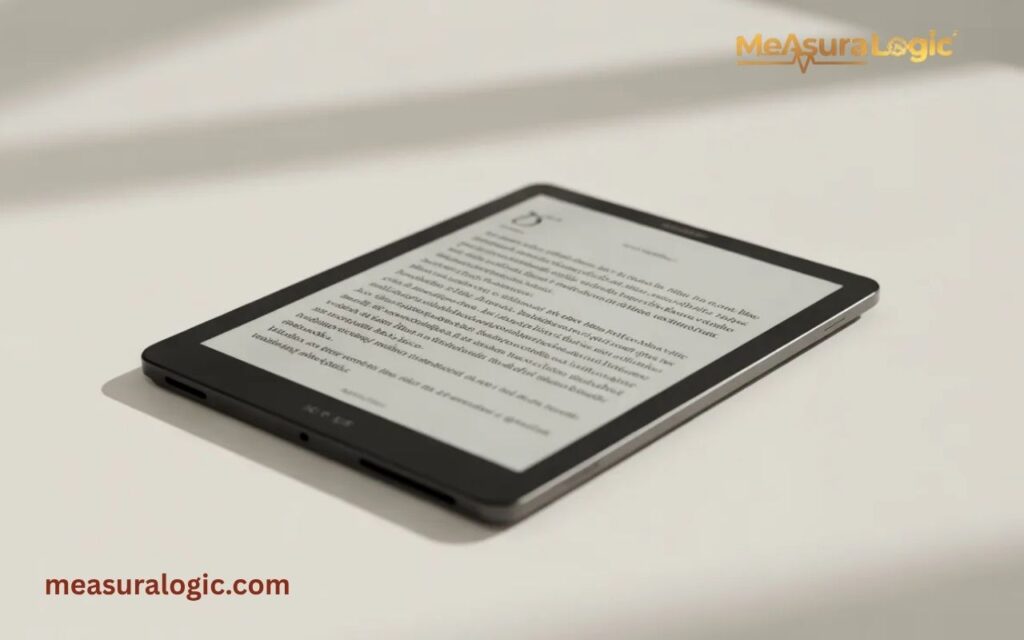
Compact tablets and e-readers are built for portability. Many of them land right around the 7-inch mark.
- Perfect for one-handed reading
- Fits easily into jacket pockets
- Popular in airport bookstores and travel setups
Their size reflects a balance between readability and portability.
3. TV Remote (Compact Design Logic)
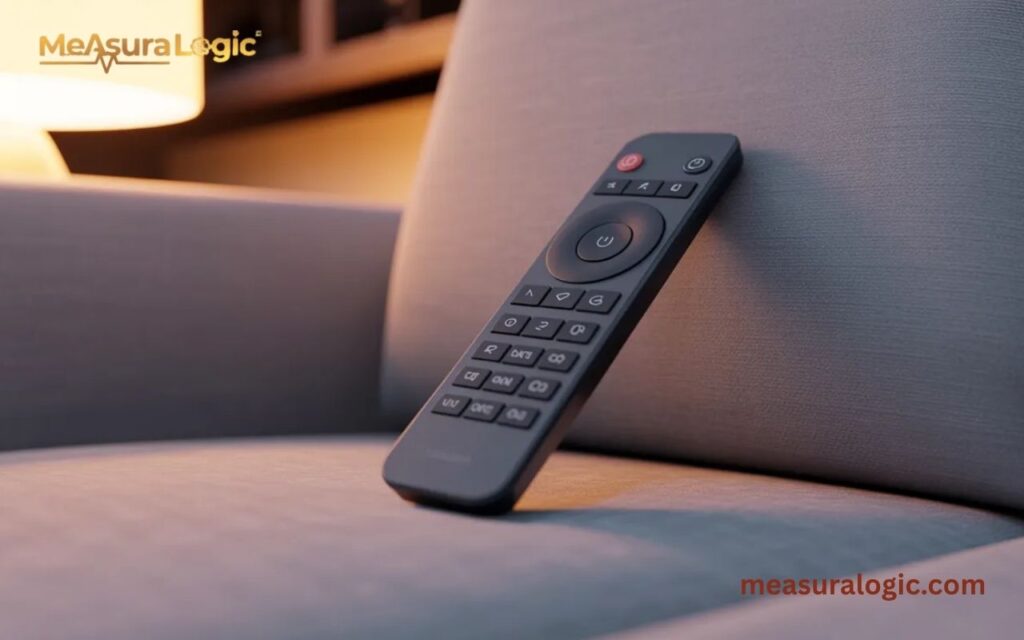
Look at a slim TV remote.
Many models are designed around 7 inches because it fits comfortably in the hand while leaving space for buttons.
- Easy to grip without stretching fingers
- Lightweight and balanced
- Designed for quick navigation
It is a subtle example of human centered design aligning with this measurement.
Office & School Items That Match 7 Inches
Your workspace is full of hidden measuring tools. Many common writing tools and supplies naturally align with this length.
1. Standard Pencil (Classic Measurement Tool)
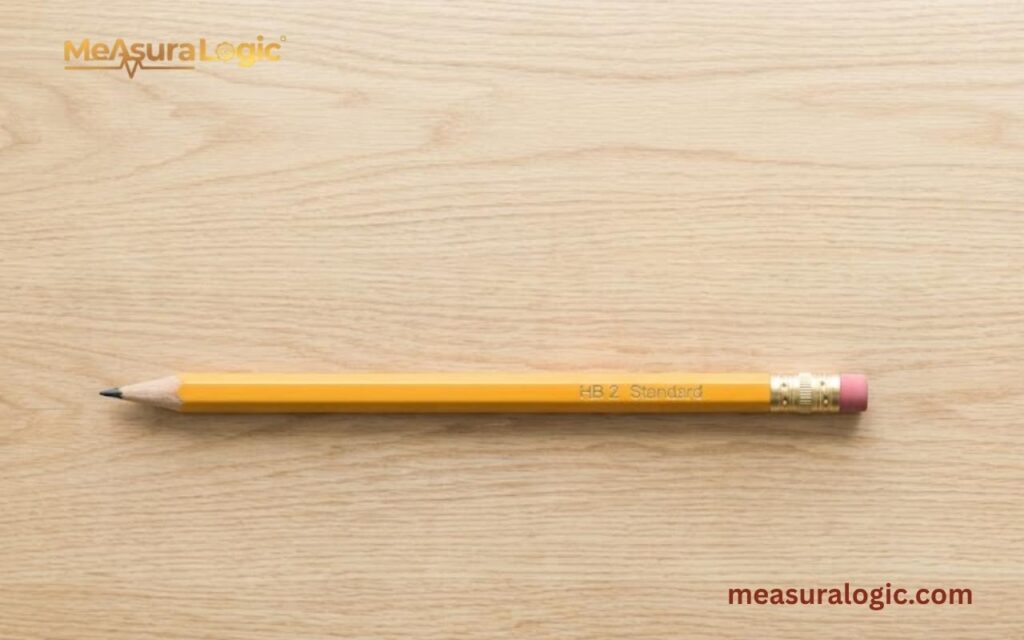
A standard pencil, especially a wooden pencil, is one of the most reliable references you can use.
An unsharpened pencil usually starts slightly longer, but after regular use and sharpening, it settles near 7 inches long.
- Common writing tool in classrooms
- Often stored in a desk drawer
- Used as a quick measuring stick
That gradual wear actually brings it closer to this exact length over time.
Learn about everyday objects that weigh 10 pounds
2. Paper Clips (Length in Sequence)
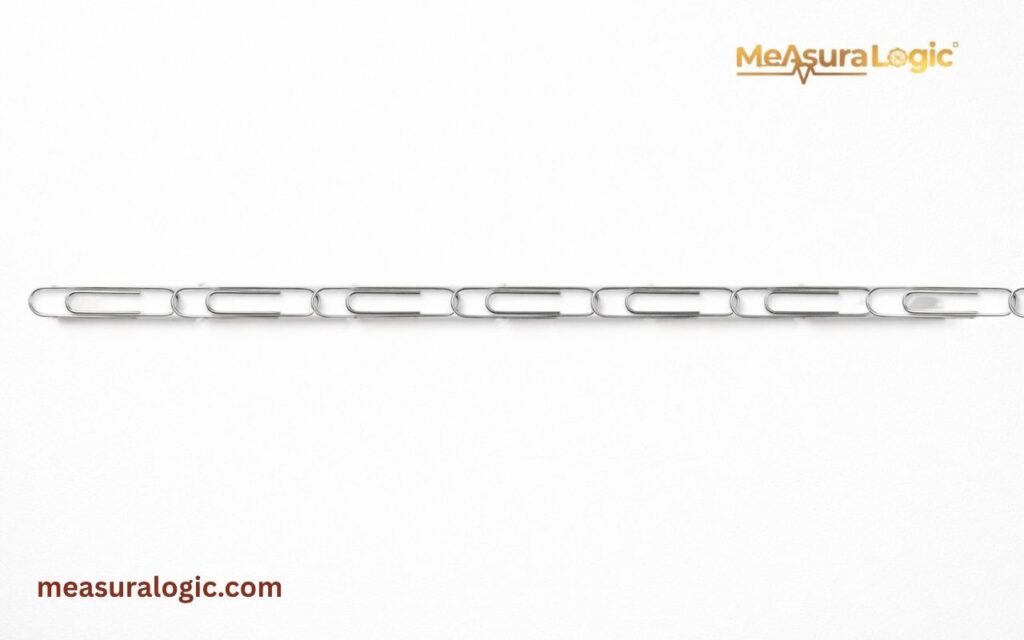
A single paper clip is small. But line up 7 paper clips, and something interesting happens.
You create a near-perfect 7-inch line.
- Each Gem clip ≈ 1 inch
- Made from steel wire
- Found in desk organizers worldwide
This method turns tiny objects into a scalable measurement system.
3. Medium Scissors (Balanced Tool Size)
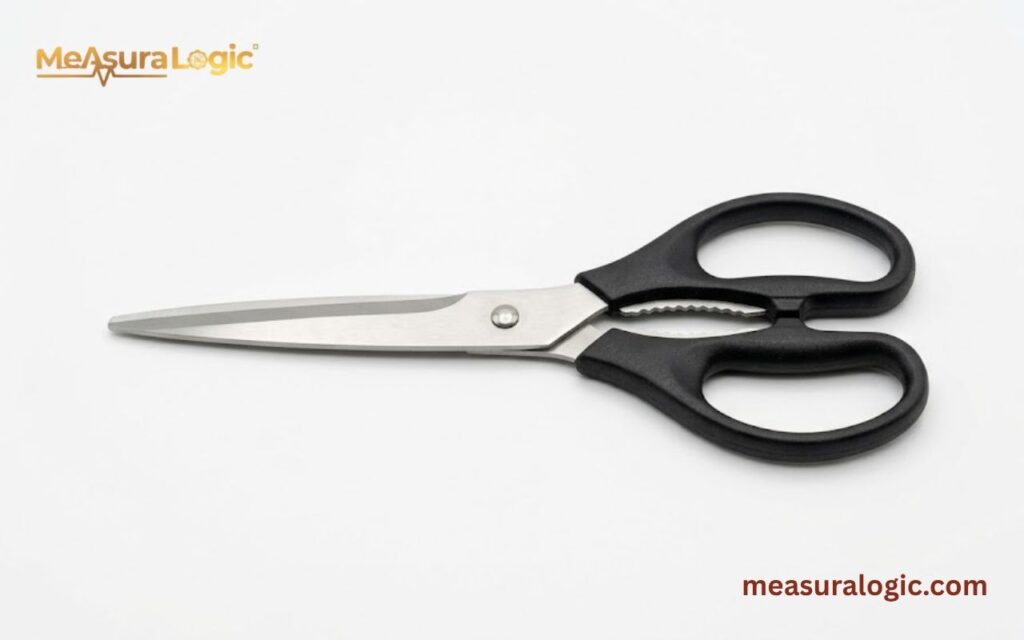
Office scissors are designed for efficiency.
At around 7 inches, they provide enough blade length to cut effectively while remaining easy to control.
- Used for paper, packaging, and crafts
- Comfortable grip design
- Balanced between power and precision
Their size reflects practical ergonomics.
Food Items That Naturally Measure Around 7 Inches
Nature also provides surprisingly consistent size references. Several everyday foods match 7 inches long, making them easy to recognize and remember.
1. Small Banana (Nature’s Measuring Tool)
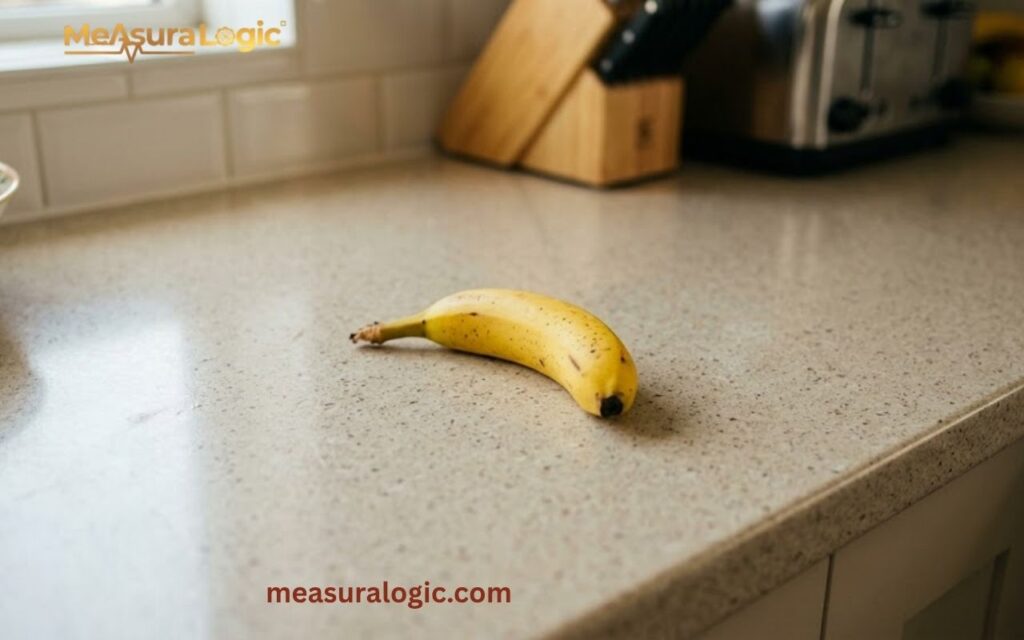
A small banana or medium-sized banana often measures around 7 inches.
- Easily found in any grocery store
- Popular as healthy snacks
- Designed by nature with a gentle natural curve
That curve slightly affects perceived length, but overall, it stays close to the mark.
2. Standard Carrot (Consistent Produce Size)
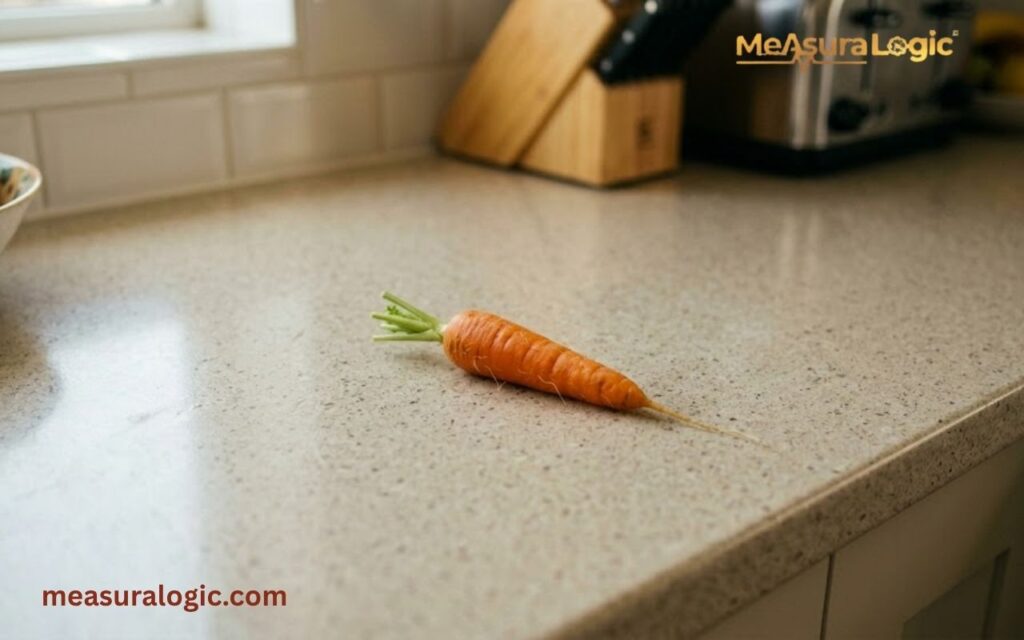
A standard carrot, especially a large carrot, is another natural reference.
- Bright orange vegetable
- Sold in uniform sizes in the produce section
- Used in cooking, salads, and snacks
Farmers and distributors often standardize sizes for packaging, which keeps many carrots within this range.
3. 7 inches Hot Dog (Processed Consistency)

Unlike natural foods, hot dogs are manufactured with precision.
That is why most of them consistently measure around 7 inches.
- Designed for uniform cooking
- Fits standard buns
- Easy to compare visually
Personal & Everyday Items That Match 7 Inches
Some of the most reliable measurements are the ones you carry with you. Personal items and body-based references make quick estimation simple.
Read about 10 inches long objects with a clear visual guide.
1. 7 inches Toothbrush (Ergonomic Design Standard)
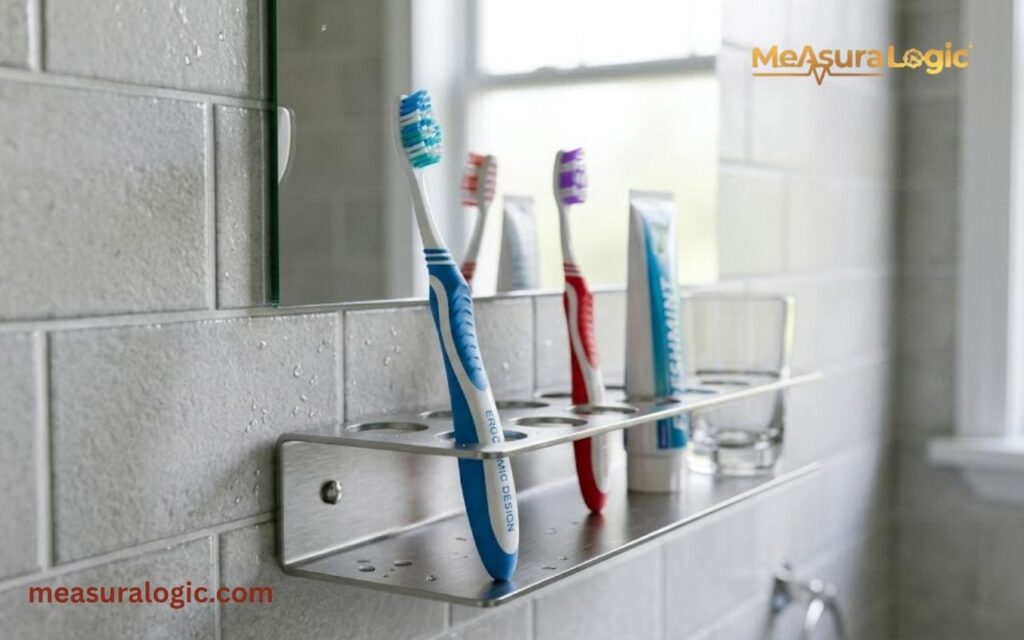
A toothbrush is not randomly sized.
Manufacturers design it around 7 inches so it fits comfortably in your hand while allowing proper reach inside the mouth.
- Daily-use hygiene tool
- Balanced handle length
- Easy to store and carry
2. 7 inches Hand Measurement (Wrist to Knuckles)
Your hand is always with you. That makes it the most accessible measuring tool.
- Useful for medical estimates
- Helps with bracelet sizing
- Provides a quick, reliable body reference
While hand sizes vary slightly, the average still aligns closely with 7 inches.
3. Small Picture Frame (Standard 5×7 Size)
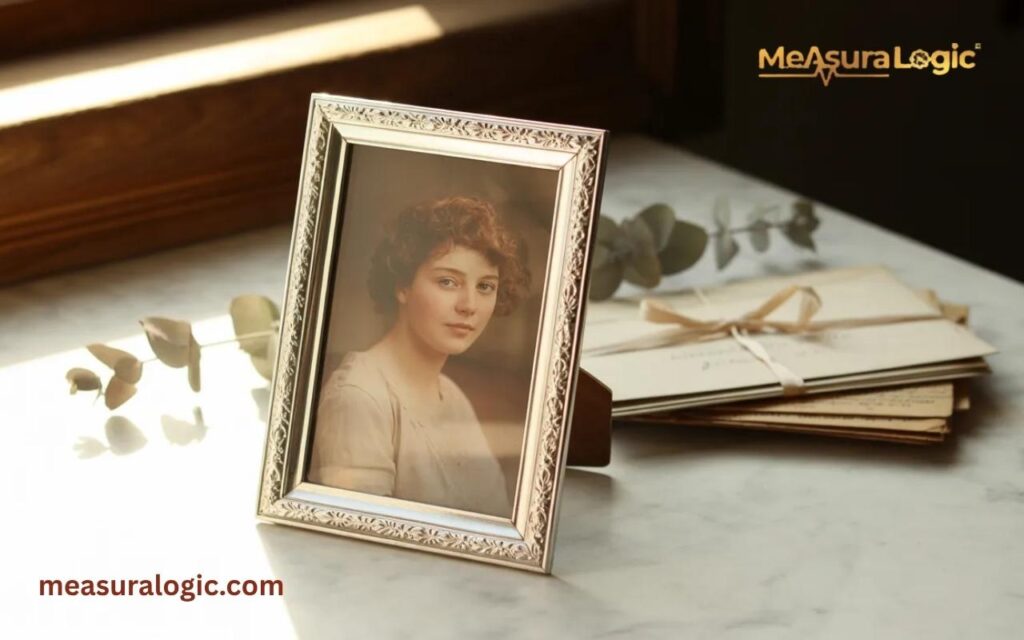
A 5×7 picture frame gives you an exact dimension.
One side measures precisely 7 inches, making it one of the most accurate visual references.
- Common in home décor
- Fits standard printed photos
- Easy to recognize instantly
4. Credit Cards (Stacked Measurement Hack)
Take two credit cards and place them end-to-end.
- Each card ≈ 3.37 inches
- Combined length ≈ 6.7 inches
That is very close to 7 inches long, making it a quick estimation trick when you don’t have tools.
5. US Quarters (Coin-Based Estimation)
Coins are not just for spending. They can measure too.
Line up US quarters:
- Each coin ≈ 0.96 inches
- 7 coins ≈ 6.7 inches
It is a clever use of pocket change for quick measurements.
Case Study: How Everyday Size Awareness Prevented a Costly Online Purchase Mistake
Online shopping feels convenient until sizing goes wrong. This case study shows how understanding real-world object sizes helped avoid a costly mistake without using any measuring tools.
Read about how long is 5 inches?
The Situation
A buyer planned to order a compact storage organizer for a desk setup. The product description listed one critical dimension: 7 inches long.
At first glance, that sounded reasonable. But without a ruler nearby, the buyer couldn’t clearly picture the size. Ordering blindly could mean ending up with something too small or awkwardly large.
The Challenge
The main issue was simple:
- No measuring tool available
- Product images were misleading (zoomed and staged)
- The size description alone lacked clarity
This is a common problem. Numbers feel abstract unless you can connect them to something familiar.
The Approach
Instead of guessing, the buyer used real-life object comparison.
Here’s exactly what they did:
- Picked up a toothbrush nearby
- Compared it visually with desk space
- Noted that the organizer would be roughly the same length
Then they double-checked using another object:
- A pencil from the desk drawer
- Confirmed the same approximate length
This quick cross-check took less than a minute.
Key Insight
Using two familiar objects created a more reliable mental image. One reference can mislead. Two references reduce error significantly.
Simple rule: If two unrelated objects match your estimate, you’re likely accurate.
The Decision
After visualizing the size properly, the buyer realized:
- The organizer would be too small for their intended use
- It wouldn’t fit all required items
- Buying it would lead to a return or replacement
They chose not to purchase.
The Outcome
This quick estimation prevented:
- Wasted money
- Return shipping hassle
- Delays in setting up the workspace
Instead, the buyer selected a larger option with confidence.
What This Reveals
This situation highlights a powerful everyday skill:
- You don’t need tools to make accurate size judgments
- Familiar objects act as mental measuring anchors
- Quick comparisons improve decision-making instantly
Practical Takeaways
- Always relate product dimensions to objects you use daily
- Use at least two references for better accuracy
- Don’t rely solely on product images—they can distort perception
- Build a mental library of common object sizes
Final Thought
Most sizing mistakes don’t happen because people can’t measure—they happen because they don’t visualize.
Once you connect numbers to real-world objects, decisions become faster, smarter, and far more reliable.
Fun Facts About 7 Inches
- In baseball, the distance from home plate to the catcher’s mitt during a pitch often varies within a few inches of 7 inches due to framing adjustments.
- The average width of a slice of sandwich bread is close to 4–5 inches, so stacking about 1.5 slices edge-to-edge reaches roughly 7 inches.
- A standard envelope (DL size) is about 8.7 inches long, so 7 inches covers most of its length.
- In photography, 7 inches is a common size for small display prints.
It is often used because it is large enough to show detail without taking up much space.
How to Measure 7 Inches Without a Ruler (Practical Strategies)
Let’s make this actionable.
Reliable Methods
- Use your standard pencil as a baseline
- Compare with your smartphone length
- Estimate using your hand span
- Combine small objects like paper clips or coins
Each method trades a bit of precision for convenience, but all stay surprisingly accurate.
Why Understanding 7 Inches Matters in Daily Life
This knowledge shows up more often than you think.
Where It Helps Most
- Online shopping: Avoid incorrect sizing
- DIY tasks: Measure quickly without tools
- Cooking: Estimate portions and utensil sizes
- Travel: Pack efficiently and avoid overfilling
Once you internalize 7 inches, you start making faster and smarter decisions.
Interactive Challenge: Can You Spot 7 Inches Around You?
Ready to test your eye? This quick challenge turns everything you have learned into a fun, real world game. No tools. No ruler. Just your instincts.
Learn about New York City: Dimensions, Population, and Essential Facts
Step 1: Look Around You
Pick any 3 items near you right now. Do not overthink it. Just grab what is within arm’s reach. Examples:
- A pen or pencil
- Your phone
- A utensil
- A book
- Any random object on your desk
Step 2: Make Your Guess
Now ask yourself: Is this close to 7 inches long?
Do not measure yet. Trust your judgment.
Step 3: Compare With a Known Reference
Use one of these as your baseline:
- A toothbrush
- A pencil
- Your hand (wrist to knuckles)
Hold your chosen object next to it and compare visually.
Step 4: Reveal the Answer (Check Yourself)
Now measure it if you can or compare more carefully.
- Were you close?
- Did you overestimate or underestimate?
Quick Mini Quiz 🔍
Try these without checking:
- Is your smartphone closer to 5 inches or 7 inches?
- Would a fork be longer or shorter than your hand?
- Is a banana usually longer than a pencil?
Take a guess before scrolling further…
Answers
- Most modern smartphones → closer to 7 inches
- A fork → usually about the same or slightly shorter than your hand
- A banana → often similar or slightly longer than a pencil
Bonus Challenge
Next time you are shopping online:
- Find a product with a listed size
- Estimate it using memory
- Then verify it
Do this a few times, and your accuracy will improve fast.
Fun truth: Once you train your eye, you will start estimating sizes almost automatically like having a built-in measuring tool wherever you go.
Quick Reference Table (Memorize These)
| Item | Approx Length |
|---|---|
| Standard pencil | ~7 inches |
| Toothbrush | ~7 inches |
| Butter knife | ~7 inches |
| Small banana | ~7 inches |
| Hand (wrist to knuckles) | ~7 inches |
Final Thoughts
Here’s the takeaway.
You don’t need perfect precision. You need practical accuracy.
Once you recognize what 7 inches long looks like using everyday items, you unlock a skill that works anywhere—no tools required.
And after a while, you won’t even think about it.
You’ll just know.
FAQs about 7 inches
1. How accurate are everyday objects for estimating measurements?
Everyday objects provide a close estimate, usually within a small margin of error. While they’re not perfect like a ruler, they work well for quick decisions where precision isn’t critical.
2. Why do so many tools and products share similar lengths?
Manufacturers design products based on human ergonomics. Items are often sized to fit comfortably in the hand, which leads to repeated use of similar dimensions across different categories.
3. Can body-based measurements vary from person to person?
Yes, body proportions differ slightly depending on age, gender, and overall size. That means personal estimates may vary, though they still remain useful for rough comparisons.
4. When should you avoid estimating and use exact measurements instead?
You should rely on precise tools for tasks like construction, engineering, or fitting components. In these cases, even small errors can lead to noticeable problems.
Explore About How Big Is Chicago? Exploring the Size, Layout, and its Charm

Joss River is an experienced blogger at Measura Logic, focusing on all aspects of measurements. He uses his profound knowledge to demystify complex topics, covering everything from standard units and precision to the history and logic of various measuring systems. Joss helps readers achieve a deeper understanding and appreciation for accurate data and reliable measurements.