

Numbers do not always click when you are picturing length without a ruler. Linking 11 inches to familiar everyday objects turns an abstract number into something you can instantly visualize.
You face this issue more often than you realize. Shopping online, packing a bag, fitting items into drawers, or judging space quickly all rely on size estimates. Once you visualize eleven inches in real life, it sticks with you.
How to Measure and Convert 11 Inches Accurately
When precision matters, reach for a ruler, tape measure, or digital length calculator. Eleven inches converts to 27.94 centimeters, which helps when switching between inch-based and metric systems.
Online conversion tools come in handy when shopping internationally or reviewing product dimensions.
11 Inches in Metric Units
| Inches (in) | Centimeters (cm) | Millimeters (mm) |
| 1 in | 2.54 cm | 25.4 mm |
| 10 in | 25.40 cm | 254.0 mm |
| 11 in | 27.94 cm | 279.4 mm |
| 12 in (1 ft) | 30.48 cm | 304.8 mm |
What Does 11 Inches Look Like in Real Life?
Eleven inches in real life is easier to understand when you compare it to objects you handle every day. It is roughly the length of a standard sheet of paper laid vertically.
You will notice 11 inches often appears in daily tasks without you realizing it. From checking whether something fits in a drawer to judging space in a bag or shelf, quick visual comparisons save time.
11 Inches Long Household Objects
Some of the clearest 11-inch references come from items you handle daily. These comparisons feel natural, not forced, and they remove the guesswork.
1. A Standard Laptop Keyboard Width

Most laptop keyboards measure close to 11 inches from left to right. Your hands already recognize this span from daily typing, even if you have never measured it. The width feels comfortable without forcing your arms apart. It is designed to balance reach, speed, and comfort.
If you place a laptop on a desk, the keyboard gives a reliable real world reference. It is wide enough to anchor your sense of scale without feeling bulky or oversized. This makes it easy to compare other objects mentally. One glance often removes the need to measure.
2. A Spiral Notebook (Full Height)

Many spiral notebooks stand just under or around 11 inches tall. Holding one upright gives you a quick and accurate visual reference. It is a size most people recognize from school or office use. The height fits comfortably in your hand and feels familiar.
Because notebooks are rigid and easy to handle, they make comparisons simple. You can place one beside other objects to judge length. The straight edges help keep the measurement clear. This makes notebooks a reliable everyday reference. Their uniform shape ensures the measurement is consistent every time.
3. A Large Kitchen Knife

From handle to tip, many chef’s knives stretch close to 11 inches, which makes them a great everyday size reference. It is long enough to handle wide cutting boards and large ingredients without feeling oversized.
Whether you are slicing vegetables, carving meat, or chopping herbs, the full length is always visible. That constant use helps lock the 11-inch measurement in your mind without needing a ruler.
4.Large Restaurant Dinner Plate

While standard home dinner plates sit near ten inches, larger restaurant or formal plates usually measure about eleven inches in diameter. The extra width leaves more rim space for clean presentation and helps frame the food in an elegant way.
To picture this size, think of a large charger plate or a bistro style serving dish on a table. It holds a full main course with sides comfortably and still fits inside standard cabinets, making the diameter easy to imagine.
5. A Standard Clipboard Height

Clipboards often match letter size paper length. That makes their height a dependable 11-inch reference. You have likely used one at school, work, or appointments. The size feels familiar the moment you hold it. It is tall enough to be noticeable without feeling bulky.
Because clipboards are rigid and flat, the measurement stays accurate. You can place one next to other objects to compare height easily. The straight edges remove visual guesswork. This makes size estimation quick and reliable. It is one of the simplest ways to picture 11 inches.
6. A Medium Cutting Board (Short Side)

The shorter edge of many cutting boards lands around 10–11 inches. It is a practical comparison you will see in most kitchens. This size works well for everyday chopping and prep tasks. It feels wide enough without taking up too much space.
When placed flat on a counter, the short side clearly shows its length. The straight edge makes visual comparison easy. You can line up other items beside it for reference. This helps judge size quickly without tools. It is a reliable, real world way to picture 11 inches.
7. A Hardcover Novel
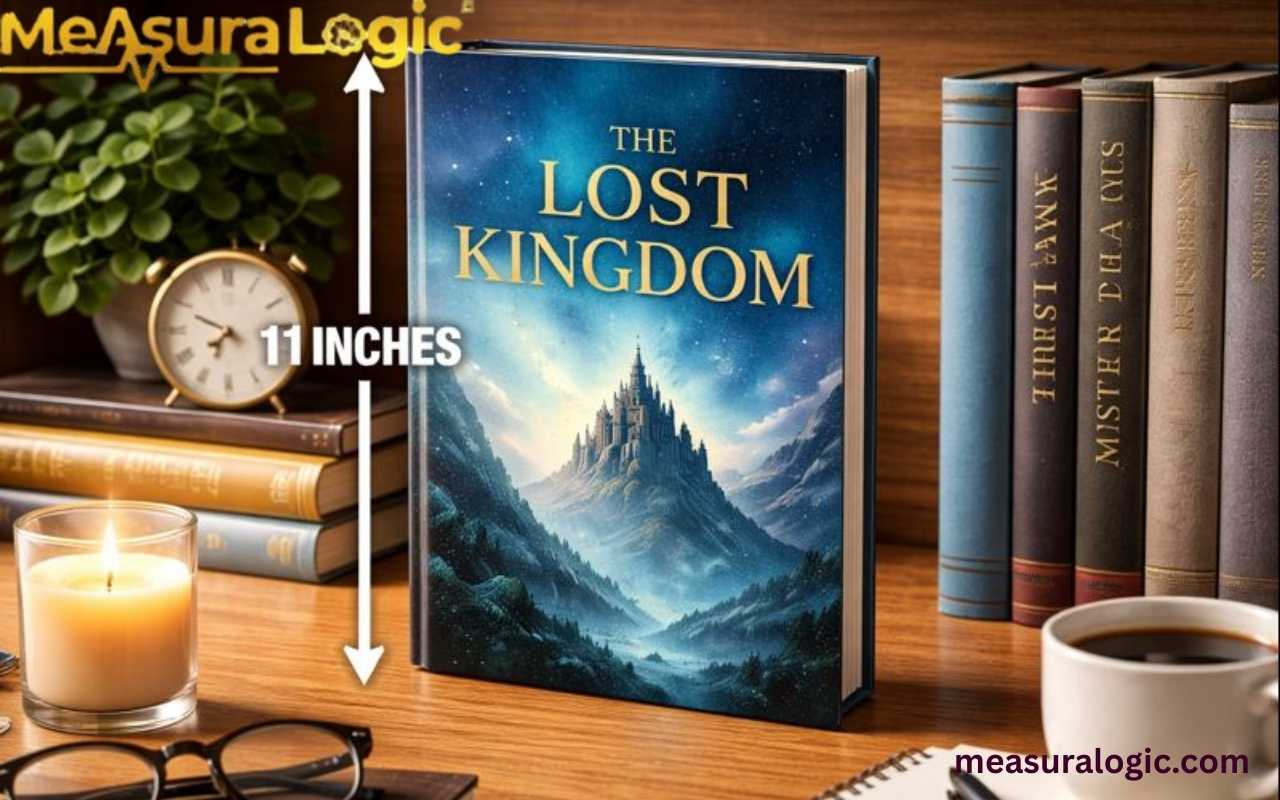
Many hardcover books measure close to 11 inches tall. Think textbooks or large novels you would find on a shelf. The height feels solid and substantial in your hands. It is tall enough to stand out among smaller paperbacks.
When held upright, a hardcover novel shows its height clearly. The straight edges make visual comparison easy. You can place it next to other items to judge length. This helps estimate size without a ruler. It is a familiar, dependable 11-inch reference.
8. A Desk Lamp Arm

The straight arm section of many desk lamps measures around 11 inches. You probably adjust one without noticing its length. This size provides a good reach for reading or working. It is long enough to illuminate a workspace comfortably. The familiar length makes it easy to picture in real life.
Watching the arm extend or fold helps reinforce the measurement. The straight shape creates a clear visual reference. You can compare other objects beside it to estimate size. It is a practical, everyday benchmark for 11 inches. The arm gives a tangible sense of length instantly.
9. A Tablet with a Slim Bezel

When you include the bezel, many mid size tablets reach roughly 11 inches in total length. It feels bigger than a phone, yet smaller and lighter than a laptop. The slim edges make the screen look larger. Holding it gives a clear sense of scale. This familiar size makes 11 inches easy to visualize.
Placing the tablet on a desk or holding it horizontally shows the full span clearly. The bezel adds a small frame to the screen without changing overall size. You can line up other objects next to it for comparison. It is a practical everyday reference. The tablet’s compact shape reinforces the mental image of 11 inches.
Pringles Can Dimensions: Height, Diameter, and Size Guide
10. Two Children’s shoe Boxes Width (Combined)

The shorter side of two children’s shoe boxes often falls near 11 inches. It is a helpful reference when organizing storage. You have likely seen these boxes stacked in closets or on shelves. The rectangular shape makes it easy to visualize width. This familiar household item gives a clear sense of scale.
Placing the boxes side by side creates a clear visual width reference. The straight edges provide a clear visual reference. You can place other objects beside it to compare sizes. It is practical for both storage and visualization. These boxes make 11 inches easy to picture in daily life.
See 3 inches common items for a quick size check.
11. A Framed Photo (Panoramic Style)

A framed panoramic photo often measures close to 11 inches wide, especially in compact landscape styles. Its long, narrow shape makes the width feel more noticeable than standard frames. When hung on a wall or placed on a shelf, it provides a clear visual reference.
Photo frames are common in homes and offices. The straight edges and fixed proportions help your eyes judge distance more accurately. Comparing other objects to the frame’s width becomes intuitive. Over time, this familiar item helps reinforce what 11 inches really looks like.
12. A Medium Rolling Pin

A medium rolling pin usually measures between 10 and 12 inches from end to end, making it a handy size reference. Its straight cylindrical shape makes the length easy to judge at a glance. When placed on a countertop, the size feels familiar and practical. This helps lock in the approximate measurement visually.
Because rolling pins are used with both hands, their width becomes easy to remember. Watching it roll dough across a surface reinforces the scale naturally. Comparing other items to its length feels intuitive in everyday situations. Over time, this common kitchen tool helps you estimate measurements more confidently.
13. A Small Desk Organizer Tray

A desk tray used for mail or folders commonly measure close to 11 inches wide. It often sits neatly on office desks or shelves. Its wide, flat shape makes it easy to notice at a glance. This everyday placement helps fix its size in your mind.
These trays are used daily so their width becomes easy to remember. Seeing one stacked with documents reinforces the sense of scale. Comparing other objects to it feels natural in an office setting. Over time, it becomes a reliable visual reference.
14. A Standard Vinyl Record Sleeve

A standard vinyl record sleeve has a large, square shape that instantly stands out. Holding one or seeing it propped against a wall makes its size easy to visualize. The clean edges and flat surface give a clear sense of width. This makes it a strong reference object for estimating length.
By mentally trimming a small portion from its edge, you get a solid sense of an 11-inch span. Many people recognize record sleeves from albums or displays. That familiarity helps lock in the scale quickly. It becomes a simple and memorable visual guide.
15. Standard US Letter Paper

The most reliable reference for this dimension is the long edge of a standard sheet of US Letter printer paper. It measures exactly 8.5 by 11 inches. If you need to check a length, simply holding up a sheet of paper against the object provides an immediate and accurate answer.
This specific dimension is the standard for official forms and documents across North America, meaning it is ubiquitous in homes and offices. It serves as the gold standard for comparing medium-sized objects when you do not have a measuring tape on hand.
Footwear as an Easy 11 Inches Size Reference
Sometimes, your own body offers the best measuring tool. Your footwear can be a surprisingly accurate eleven inches reference. Many adult shoes and sneakers fall close to this length, making it easy to estimate size without tools.
16. Men’s Size 11 Shoe Length

A men’s size 11 shoe typically measures close to 11 inches in length. That makes footwear one of the easiest ways to estimate this measurement without tools. It is something many people see or wear regularly.
The outline of a shoe gives a clear visual boundary. It helps anchor the idea of 11 inches instantly. Placing a shoe next to other items makes quick comparisons simple. You can judge length without pulling out a ruler.
Sports Objects Compared to 11 Inches
Sports equipment often follows strict size standards, which makes it surprisingly useful for length references.
17. Five Pool Balls in a Straight Line

Pool balls have a standard diameter, making them perfect for visual length comparisons. When placed in a straight line, five balls together measure nearly 11 inches, giving a tangible sense of this length. They are common in game rooms, so most people can relate to their size.
Using pool balls for reference is reliable because their size does not vary much. This makes it easier to estimate distances or objects without needing a ruler. They also provide a fun and practical way to visualize measurements in everyday life.
Explore Monster can dimensions with sizes and variants.
18. 11 Hockey Pucks Stacked End to End
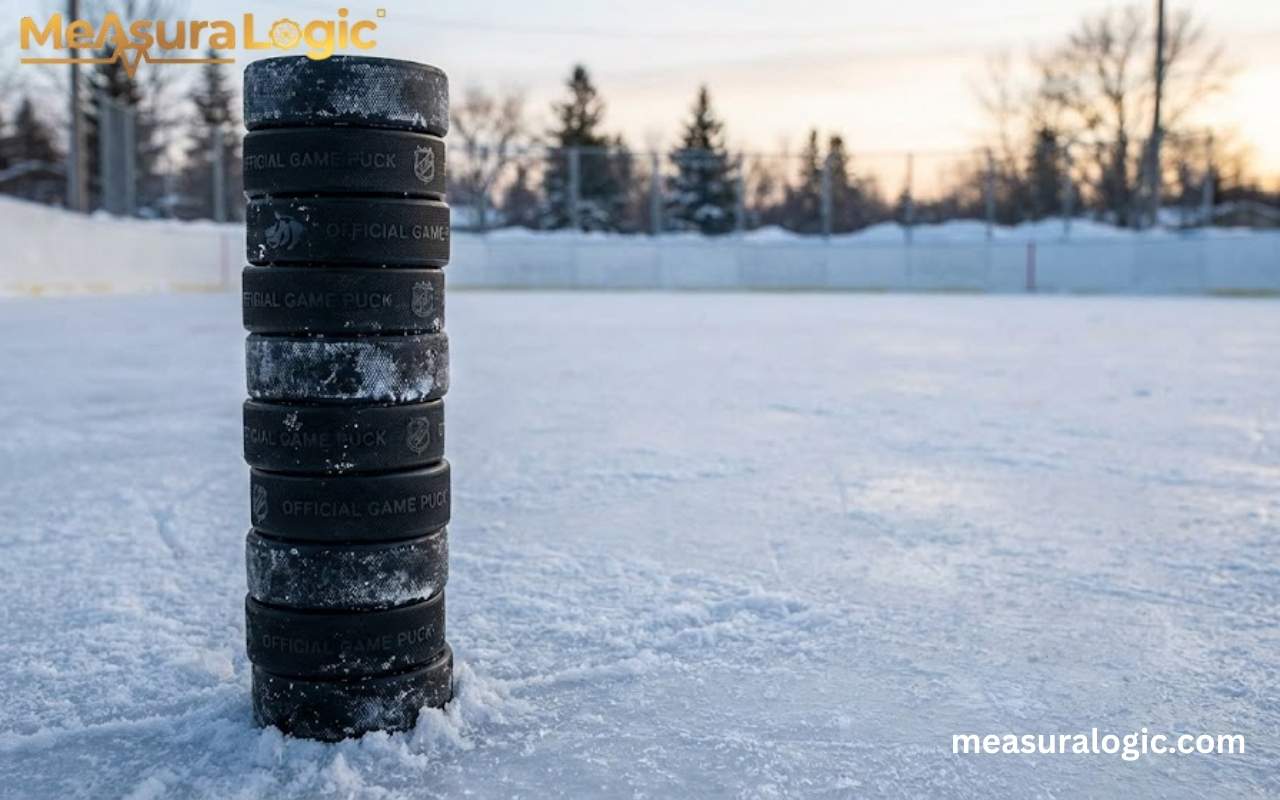
Hockey pucks are thick, solid, and precisely sized. Line up eleven, and you get a clear, repeatable 11-inch reference. Their uniform shape makes them a dependable tool for visualizing length. This method shows how everyday sports equipment can serve as a practical measuring guide.
For readers familiar with sports gear, this visual lands instantly. It is easy to imagine the stack on a table or bench, giving a quick and practical sense of how long 11 inches really is. Athletes and hobbyists alike can use it to compare other items.
19. Tennis Ball Measurement Reference

A standard tennis ball’s diameter is between 2.57 to 2.70 inches. Stacking four balls together gives a rough visual reference close to 11 inches You can estimate length quickly and easily. While it is not exact, it works well as a supporting mental benchmark.
Using tennis balls as a reference is especially handy for visual learners. You can place them next to objects to judge size without a ruler. The rounded shape makes stacking fun and memorable. It is an easy, hands-on way to picture 11 inches. This approach works well for both kids and adults.
20. Regulation American Football

An official NFL football is another iconic object that falls right into this size category, measuring approximately eleven inches from tip to tip. It is distinctively oval, but that long axis serves as a reliable measure for this specific length.
Holding a football gives you a tactile sense of this length, which is why it is often used as a size comparison for other items. The substantial size of the ball is designed to fit comfortably in a large hand. If you are a sports fan, picturing a football on a desk helps you instantly visualize the space needed for an 11-inch object.
Small Items Stacked to Reach 11 Inches
Stacking small everyday items helps you see how shorter lengths combine to reach 11 inches. It turns an abstract measurement into something you can picture instantly.
21. 11 Bottle Caps in a Row

Standard metal bottle caps found on glass soda bottles generally measure almost exactly one inch in diameter. This makes them a surprisingly accurate and accessible measuring tool for household projects when you are caught without a standard ruler.
To visualize an eleven-inch span, simply line up eleven of these crimped caps in a perfectly straight row on a flat surface. It offers a quick, reliable way to estimate shelf or table space using everyday household items.
Read about 10 inches long objects with a clear visual guide.
22. 11 US Quarters Lined Up

US quarters have a consistent diameter. Place eleven side by side, and they form a near-perfect length reference. This method works well because the coins are uniform. You can line them up quickly on any flat surface. It is a simple way to visualize length without tools.
Lining up coins also helps break the measurement into smaller units. You can count and adjust visually as needed. This makes the method intuitive and memorable. It works well for quick checks at home or work. The repetition reinforces what 11 inches looks like.
Learn more about 8 inches objects
Why Knowing an 11-Inch Reference Is Useful
Knowing what 11 inches looks like saves time. It cuts down guesswork when you buy items online, pack luggage, choose storage solutions, or plan DIY projects.
Once you link the measurement to everyday objects, estimating lengths becomes second nature—almost automatic.
DIY Project: The Portable 11 Inches “Pocket Ruler”
You do not always carry a tape measure, but you likely have your keys or a wallet on you. This simple project creates a durable, non stretching reference guide that you can take anywhere. It is perfect for thrifting, checking furniture dimensions, or measuring packages on the go without carrying tools.
What You Need: A piece of non stretchy cord (paracord or thick ribbon), a permanent marker, and a lighter (to seal ends).
Instructions: Measure exactly this size of cord and tie knots at both ends to mark the length. Attach it to your key ring or zipper pull. Now you have a permanent, weightless measuring tool that is always with you and never runs out of batteries.
Quick guide: everyday things that are 6 inches
Frequently Asked Questions
These FAQs answer the most common questions about visualizing and measuring 11 inches. They clear up confusion and help you make quick, confident size estimates.
Is there a body part that measures exactly 11 inches?
For many adults, the distance from the elbow to the wrist bone measures roughly 10 to 11 inches, though this varies by height.
Why is US paper exactly 11 inches long?
It likely stems from 17th century Dutch paper molds that were 44 inches wide, which were then cut into four equal 11-inch sheets.
Is an 11-inch pizza considered a medium?
No, an 11-inch pizza is typically categorized as a “small” or “personal” size, providing about 30% less food than a standard 13-inch medium.
How does 11 inches compare to an A3 sheet?
11 inches is significantly shorter; an A3 sheet is 16.5 inches tall, meaning 11 inches covers only about two-thirds of its length.
Short Quiz: Test Your 11 Inches Knowledge
Take this quick quiz to see how well you can spot and estimate this size objects. It is a fun way to check your visual measuring skills
1. Which common office item measures exactly 11 inches on its long edge?
A) A standard envelope B) US Letter Paper C) A4 Paper D) A business card
2. How many millimeters are in 11 inches?
A) 254 mm B) 300 mm C) 279.4 mm D) 297 mm
3. Which sports ball is approximately 11 inches long?
A) Basketball B) Soccer ball C) Regulation American Football D) Baseball
4. If you line up 11 bottle caps, how long is the row?
A) 5.5 inches B) 11 inches C) 22 inches D) 8 inches
(Answers: 1:B, 2:C, 3:C, 4:B)
Conclusion: Your World is Your Ruler
You do not always need a tape measure to get the job done. Whether it is a sheet of paper, a football , or just your own shoe, you now have a reliable set of mental anchors for 11 inches. Mastering these visual shortcuts helps you make faster, smarter decisions.
By memorizing just a few of these everyday comparisons, you build a “mental toolbox” that travels with you everywhere. The perfect measuring tool is likely already right in front of you.
Learn about everyday objects that weigh 10 pounds

Joss River is an experienced blogger at Measura Logic, focusing on all aspects of measurements. He uses his profound knowledge to demystify complex topics, covering everything from standard units and precision to the history and logic of various measuring systems. Joss helps readers achieve a deeper understanding and appreciation for accurate data and reliable measurements.