
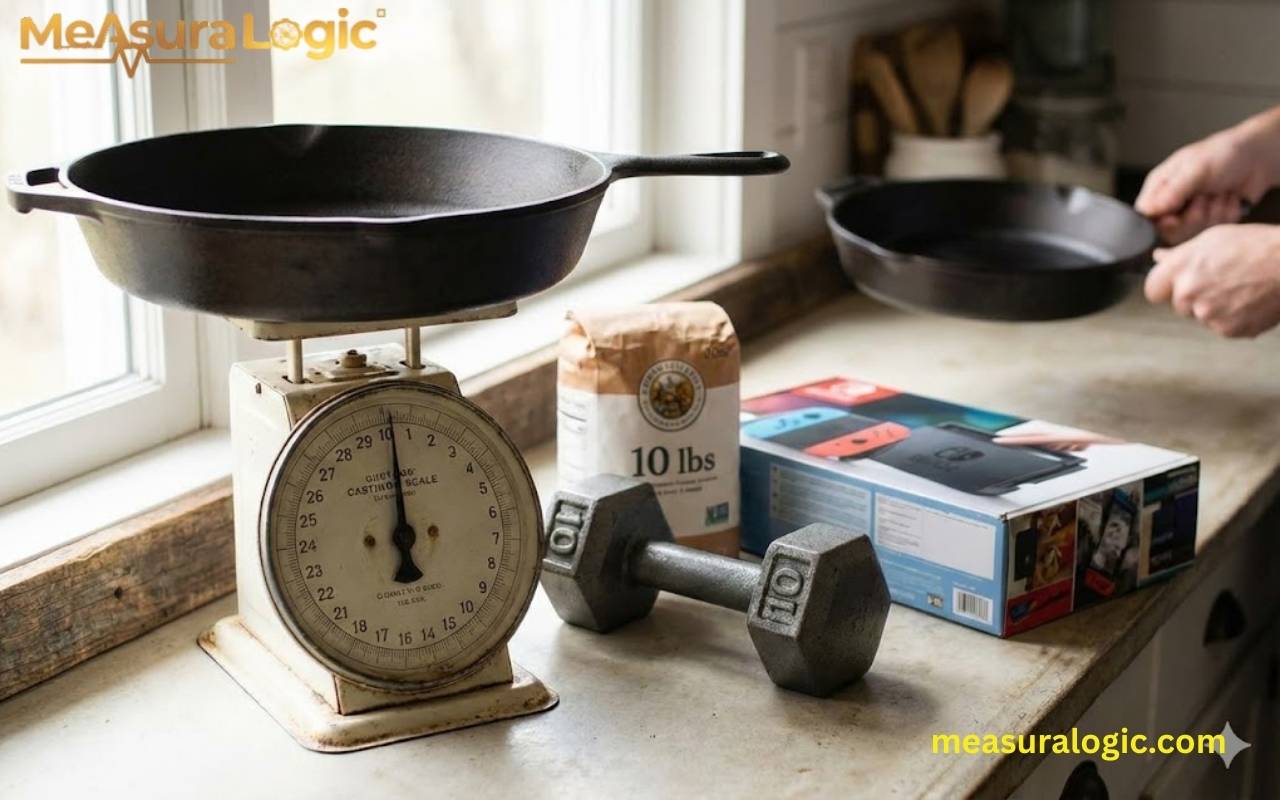
If you have ever picked something up and wondered, “Is this heavier than it looks?” you are not alone. 10 pounds sits in that tricky middle ground where objects feel manageable but can still surprise you. Without a scale, judging this weight accurately can be difficult.
That is why recognizing everyday objects that weigh about 10 pounds is so useful. From groceries to travel gear and workout equipment, familiar items help you estimate weight quickly. Once you connect the number to real objects, lifting and carrying becomes more confident and predictable.
How Heavy Is 10 Pounds?
So, how heavy is 10 pounds in real life? It sits right in the sweet spot. Not feather-light, not back-breaking either. In metric terms, it equals about 4.54 kilograms, or 160 ounces, which breaks down further into about 4536 grams if you prefer smaller units.
| Reference Unit | Pounds (lb) | Kilograms (kg) | Ounces (oz) | Grams (g) | Notes |
| 1 Pound (lb) | 1 lb | 0.45 kg | 16 oz | 453.6 g | Base Imperial unit. |
| 1 Kilogram (kg) | 2.20 lb | 1 kg | 35.27 oz | 1000 g | Base Metric unit. |
| 10 Pounds | 10 lbs | 4.54 kg | 160 oz | 4,536 g | The focus weight from the article. |
| 1 Ounce (oz) | 0.0625 lb | 0.028 kg | 1 oz | 28.35 g | Used for small amounts (food, mail). |
| 100 Grams (g) | 0.22 lb | 0.1 kg | 3.53 oz | 100 g | Common metric serving size. |
| 1 Stone (st) | 14 lbs | 6.35 kg | 224 oz | 6,350 g | Common in UK/Ireland for body weight. |
This amount feels noticeable in your hands. You can carry it across a room, but your arms know it’s there. That’s why people often ask what does 10 pounds feel like when lifting groceries, moving furniture, or choosing beginner workout weights.
Why Knowing This Weight Is Useful
Knowing what weighs 10 pounds saves you from trial and error. It keeps you safe. It also makes daily decisions easier.
Think about it:
- You avoid straining your back.
- You estimate loads while packing.
- You compare objects without tools.
These weight comparison examples work as a real life weight reference. They support quick household weight estimation and improve everyday weight measurement skills. A solid visual weight comparison often beats numbers on a screen.
Everyday Objects That Weigh About 10 Pounds
Below are everyday items that weigh about 10 pounds. Each example gives you a clearer sense of scale. Keep in mind, weight may vary, especially depending on size and material.
1. A Cast Iron Skillet

A large cast iron skillet weighs about ten pounds. Its solid, compact heft engages your arms instantly. Lifting it demonstrates concentrated weight clearly. It is a practical kitchen object for real-life reference.
Cast iron also teaches control and posture. Unlike soft or shifting objects, the load stays firm, requiring steady support. Holding it gives a memorable sense of ten pounds. It is a functional and intuitive benchmark.
Pringles Can Dimensions: Height, Diameter, and Size Guide
2. A 10-Pound Dumbbell
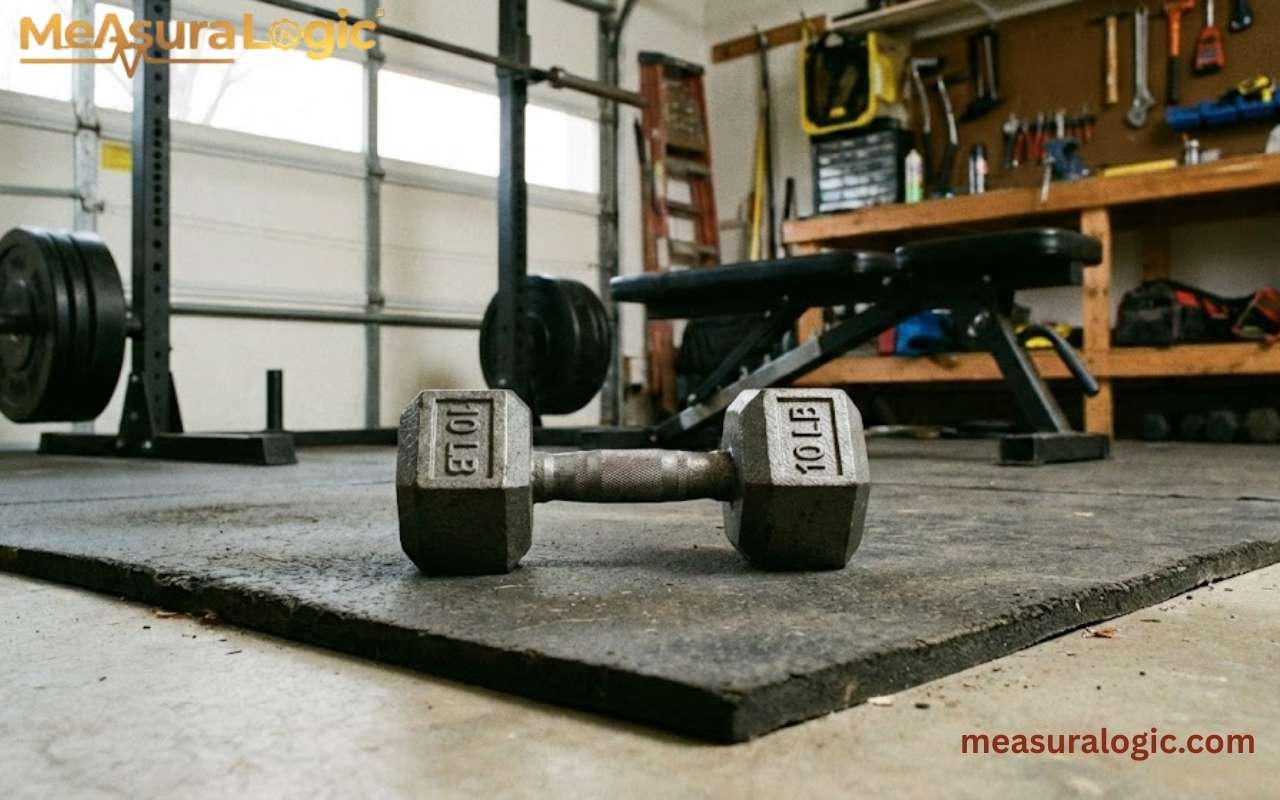
A single 10-pound dumbbell provides a clear, compact sense of weight. Its uniform shape makes lifting predictable yet noticeable. Holding it demonstrates effort in a controlled way. It’s a simple, everyday reference for moderate load.
Dumbbells also highlight how concentrated weight feels. Your grip and small muscles engage immediately. This teaches balance and control. It is a straightforward object to experience ten pounds safely.
3. A Small Carry-On Suitcase (Empty)

A small empty carry-on suitcase often weighs close to 10 pounds on its own. The hard shell or reinforced frame adds noticeable weight, even before anything is packed inside. Lifting it by the top handle gives a clear sense of steady, manageable heft.
Its shape also affects how the weight feels. The bulk makes it slightly awkward to carry compared to compact objects of the same weight. This makes an empty carry-on a useful everyday reference for understanding how this amount of weight feels in real-life situations, especially while traveling.
4. A Loaded Yoga Sandbag

A loaded yoga sandbag often weighs around 10 pounds and feels surprisingly heavy for its size. The fine sand inside creates a dense, compact load that settles as you lift it. When you pick it up, you immediately notice the steady resistance in your hands and arms.
Unlike rigid objects, a yoga sandbag shifts slightly with movement. This makes the weight feel more challenging and forces better control and grip. It’s an excellent example of how a moderate load can feel heavier when it isn’t perfectly solid, giving a clear, hands-on sense of this amount of weight.
5. A Metal Toolbox with Basic Tools
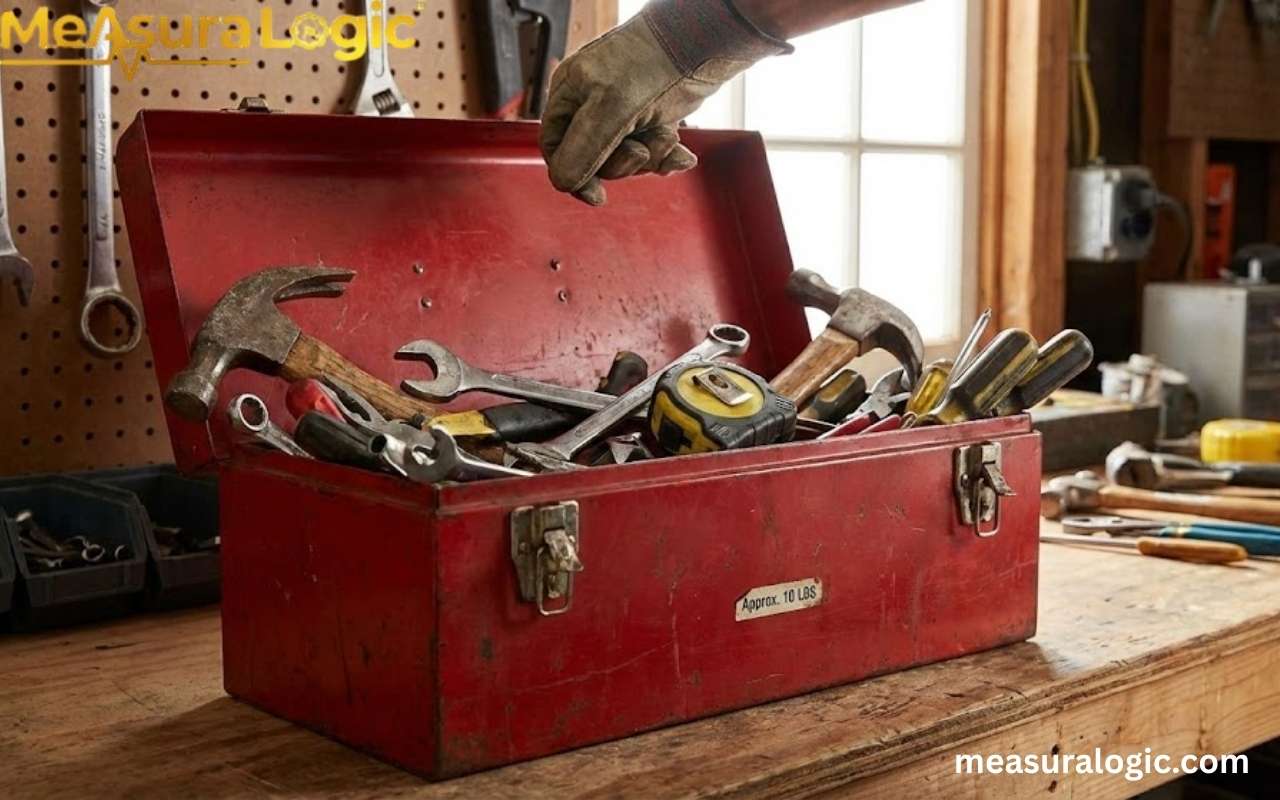
A metal toolbox filled with basic tools weighs close to 10 pounds and feels heavier than it looks. The solid steel case adds weight on its own, while items like a hammer, wrench, and screwdrivers create a dense, compact load. Lifting it gives an immediate sense of steady heft in your hands.
This toolbox is a great real-life reference because the weight doesn’t shift much as you carry it. The rigid shape makes the load feel concentrated and firm. Holding it by the handle clearly shows what a manageable but noticeable amount of weight feels like in everyday use.
6. A Gaming Console in Its Retail Box

A gaming console in its retail box often weighs close to 10 pounds once all components are included. The console, controllers, cables, and packaging combine to create a compact but solid load. Lifting the box gives a clear sense of balanced, noticeable weight.
The box shape makes it easy to grip, but the density can still surprise you. Unlike loose items, everything stays firmly in place. This makes a boxed gaming console a familiar, real-world reference for understanding this amount of weight.
7. A Standard 10-Pound Bag of Flour

A standard 10 pound bag of flour provides a tangible, steady load to feel in your hands. Its fine powder shifts minimally, creating a subtle adjustment in grip. Carrying it across the counter gives a clear sense of effort. It’s a simple, familiar item that demonstrates this weight effectively.
Flour bags also teach balance and care. Unlike rigid objects, the loose contents demand that you hold it steadily. You will notice your arms engaging to maintain control. It is an easy everyday reference for manageable weight.
8. A filled hydration pack
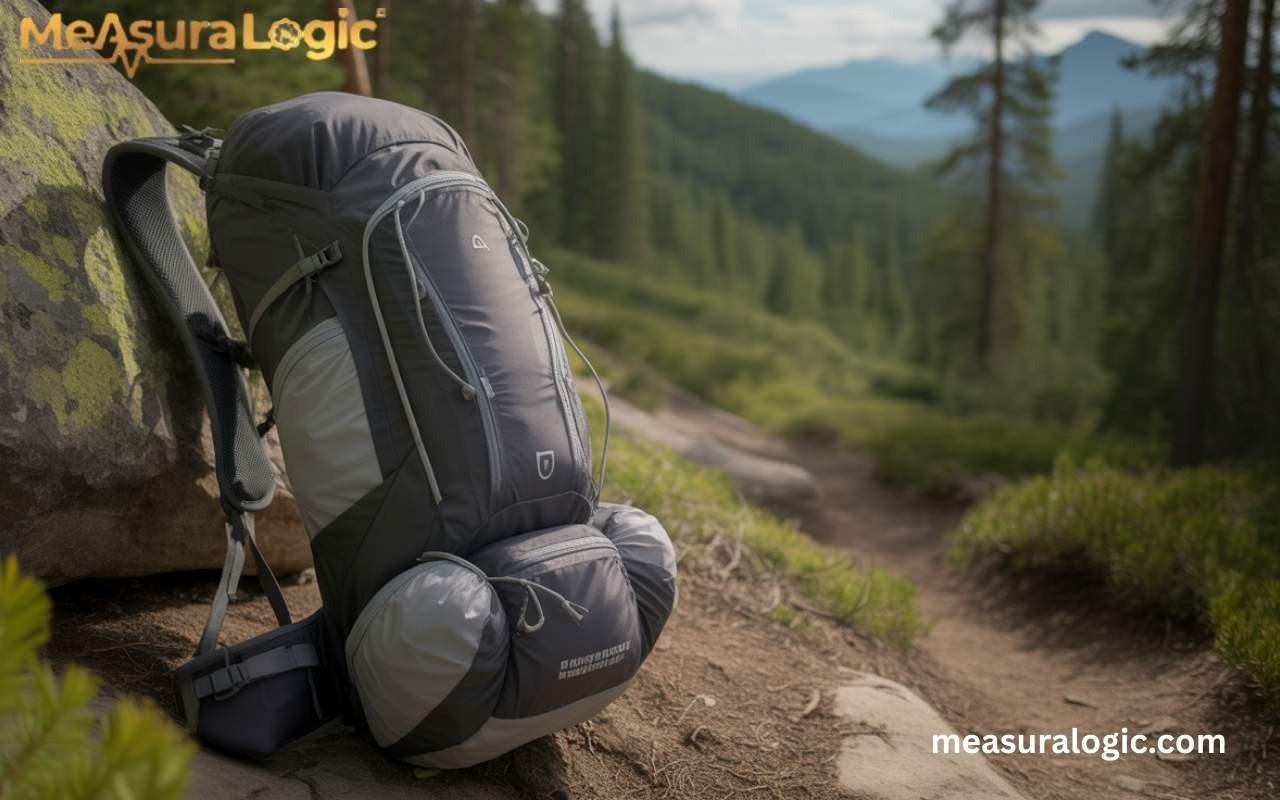
A compact hydration pack filled with water often weighs around 10 pounds once the water reservoir is full. The water adds noticeable weight, but the pack’s design helps spread it evenly across your back. Putting it on gives a steady, manageable sense of load.
Because the water shifts slightly as you move, the weight feels dynamic rather than rigid. You may notice gentle movement with each step, especially while walking or hiking. This makes a hydration pack a great example of how weight distribution affects how heavy something feels.
9. A Portable Generator (Mini Models)
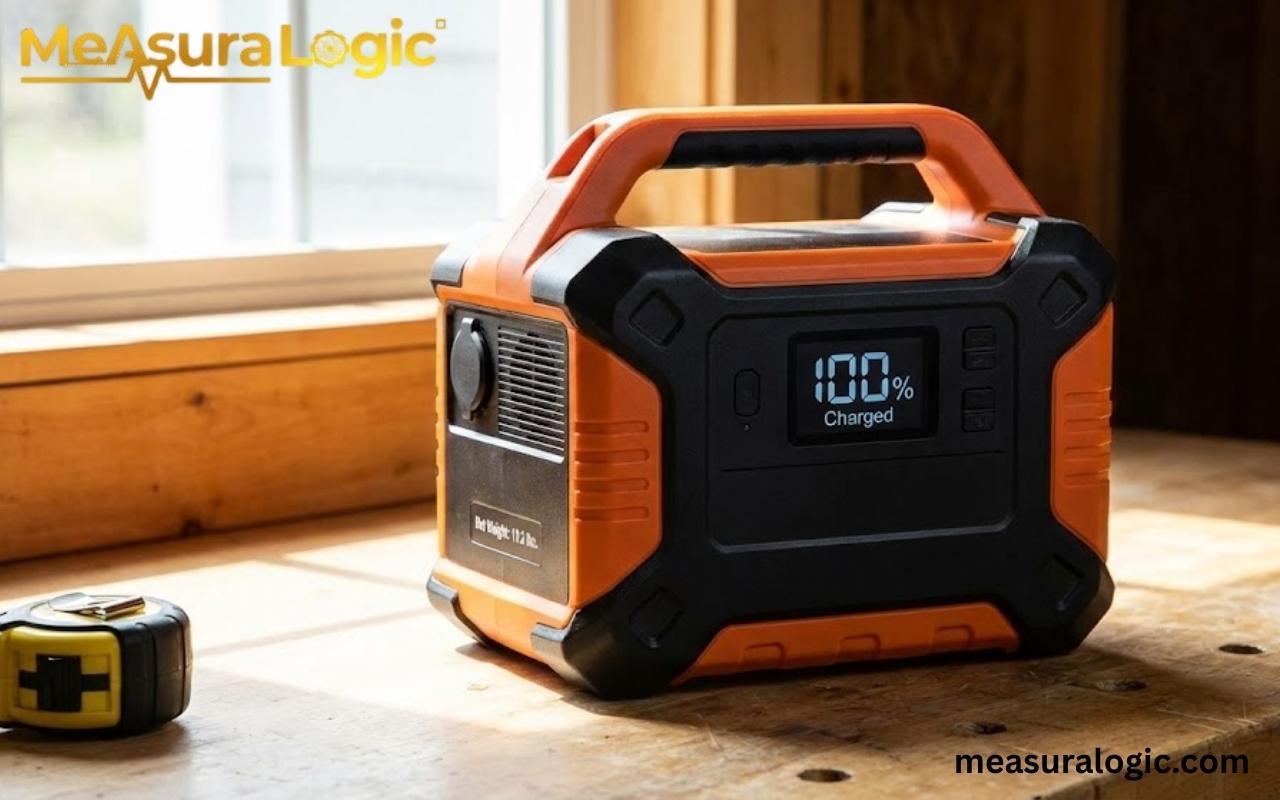
A mini portable generator often weighs around 10 pounds, especially the smallest battery-powered models. Despite their compact size, the internal components create a dense, solid load. Picking one up gives an immediate sense of concentrated weight.
Because the weight is tightly packed, it feels heavier than many larger household items. Carrying a mini generator shows how density affects perception, making it a useful real-life example of a manageable but noticeable amount of weight.
See 3 inches explained with 19 common items for a quick size check.
10. A Kettlebell (10 lb Size)
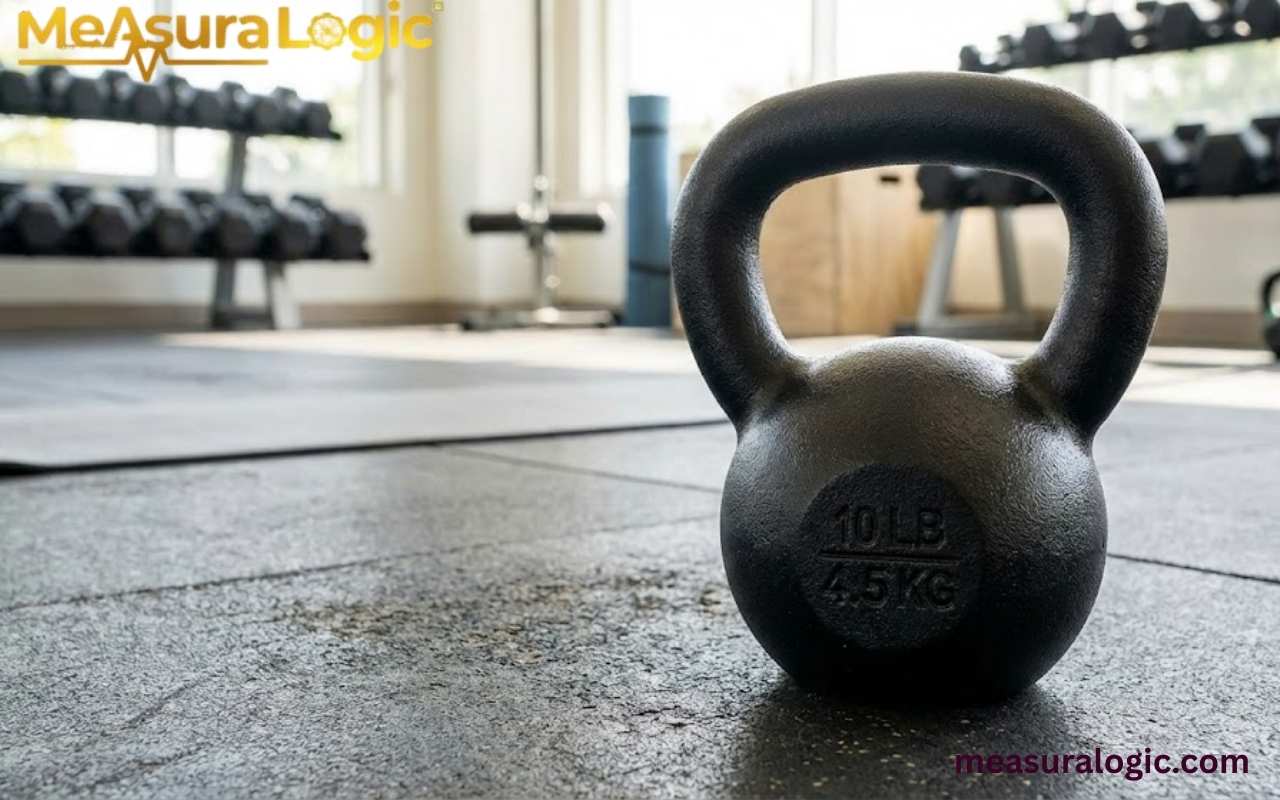
A 10 lb kettlebell delivers a clear sense of weight the moment you lift it. Its compact, cast-iron body keeps the mass tightly packed, making it feel heavier than many larger objects. The solid build gives a steady, no-surprise heft in your hand.
Because the weight does not shift, the effort feels consistent from start to finish. Your grip and forearms engage immediately, even during simple movements. This makes a kettlebell one of the most reliable references for understanding this level of weight.
11. A Car Battery Jump Starter Pack

A car battery jump starter pack often weighs close to 10 pounds, despite its compact size. The dense internal battery creates a solid, concentrated load that feels heavier than it looks. Lifting it gives an immediate sense of steady weight in your hand.
Because the weight is tightly packed, it feels firm and well-balanced when carried. Unlike loose or bulky items, the load does not shift as you move. This makes a jump starter pack a practical, real-world reference for understanding this amount of weight understanding this level of weight.
Learn more about 8 inches objects
12. A Filled Laptop Backpack (With Charger and Books)
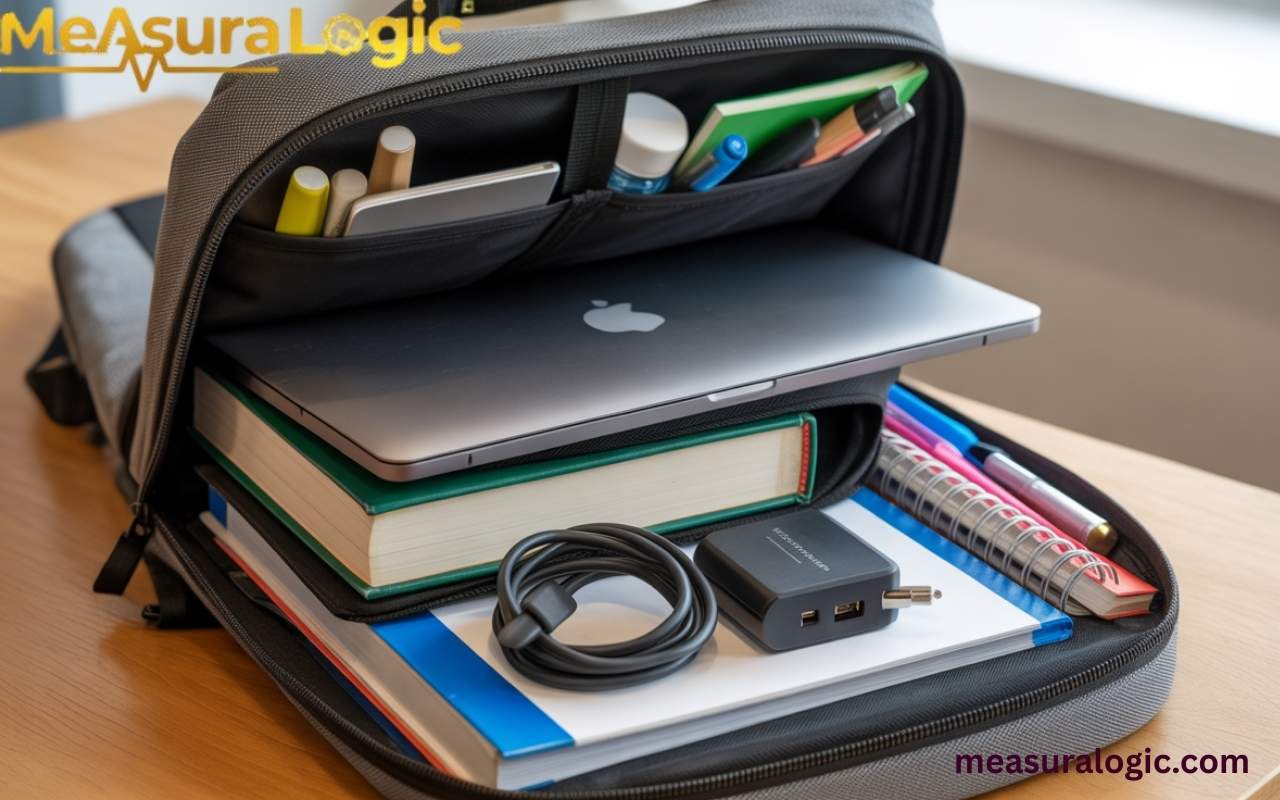
A filled laptop backpack often weighs around 10 pounds once a laptop, charger, and a few books are inside. The weight is spread across the bag, making it feel lighter than compact objects of the same weight. Wearing it on your shoulders gives a steady, manageable sense of load.
The weight is distributed across your back so it feels more comfortable over time. You notice the effort more in your posture than in your arms. This makes a loaded backpack a great example of how the same weight can feel very different depending on how it is carried.
Explore Monster can dimensions with sizes and variants.
13. A Crate of Apples (Small Produce Crate)

A small produce crate filled with apples typically weighs close to 10 pounds. The combined weight of the fruit creates a dense but slightly uneven load. Lifting it gives a clear sense of steady, natural heft.
Because the apples shift slightly inside the crate, the weight feels more dynamic. You may notice small movements as you carry it, which affects balance and grip. This makes a crate of apples a useful everyday reference for understanding this amount of weight.
14. A Whole Turkey (Small, Uncooked)

A small, uncooked whole turkey often weighs around 10 pounds and feels heavier than its size suggests. The dense meat creates a compact load that requires a firm grip when lifting. Picking it up gives an immediate sense of solid, noticeable weight.
The weight is concentrated and slightly awkward to hold so it can feel more challenging than rigid objects. The smooth packaging offers little grip, adding to the effort. This makes a whole turkey a realistic, everyday example of this level of weight.
15. A Portable Space Heater (Small Size)

A small portable space heater often weighs close to 10 pounds, despite its compact design. The internal heating elements and metal casing create a dense, solid load. Lifting it gives a clear sense of steady, noticeable weight.
Its boxy shape can make it feel slightly awkward to carry. Unlike soft items, the weight stays fixed as you move. This makes a space heater a practical household reference for understanding this amount of weight.
Explore 18 things that are 10 inches long with a clear visual guide.
16. a family-size frozen food box

A Family-Size Frozen Food Box usually weighs about 10 pounds, giving it a firm, hefty feel. Its typical dimensions are around 12 inches long, 8 inches wide, and 6 inches tall. The weight comes from dense frozen meals or ingredients packed inside.
The box’s size makes it easy to store or stack in a freezer. Its solid 10 pound weight gives a clear sense of how much food is inside. Carrying it requires a steady grip, especially when icy or slippery.
17. A 10-Pound Bag of Rice

A 10-pound bag of rice has a dense, stable feel when lifted. The granular contents move slightly, adding a subtle challenge. Carrying it provides an intuitive sense of effort. It’s a practical kitchen reference for moderate weight.
The rice also shows how loose but contained objects feel. Unlike rigid items, the minor shift requires small adjustments in your grip. Lifting it reinforces your sense of weight naturally. It’s an everyday object for comparison.
18. A weighted vest (light version)
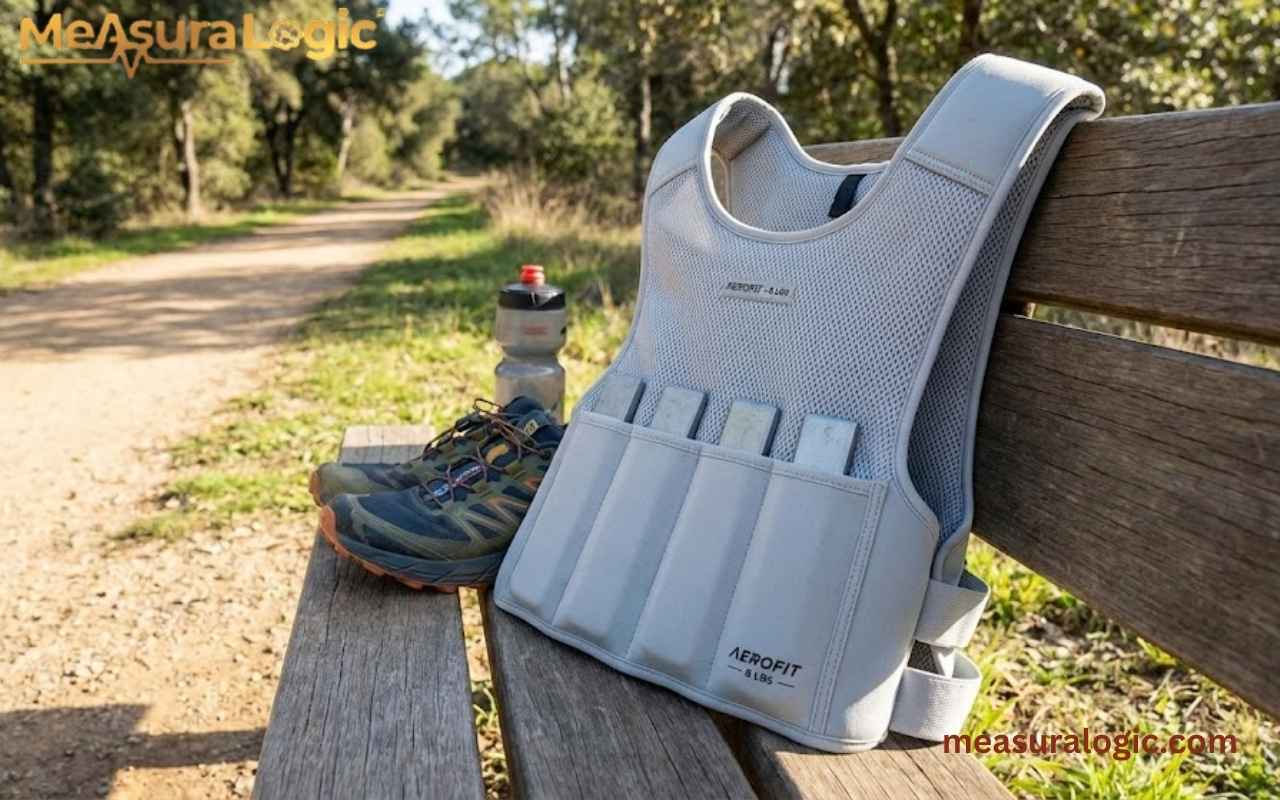
A light weighted vest weighs about 10 pounds, offering gentle resistance without feeling heavy. Most are adjustable, fitting snugly around the torso, and measure roughly 14–18 inches long and 12–16 inches wide. The weight is evenly distributed across the shoulders and chest for comfort.
This compact design allows for easy wearing during workouts or daily activities. Despite its lightness, the 10-pound load is enough to increase calorie burn and improve strength gradually. Its snug fit and manageable size make it simple to carry and store when not in use.
How to Estimate 10 Pounds Without a Scale
Sometimes, scales are not handy. That is when measuring weight without a scale becomes practical.
Try this:
- Compare the object to groceries you have lifted before.
- Notice how your arms tense after a few seconds.
- Use stacked items used as a reference instead of guessing.
These common items around the house that weigh 10 pounds help you judge safely. Over time, you’ll instinctively recognize items that weigh 10 lbs just by feel.
DIY: The “Water Bottle Ruck” Challenge
Want to test how 10 pounds feels on your back versus in your hands? This simple project creates a precise 10-pound weight you can use for exercise or testing your backpack straps.
What You Need:
- An empty backpack or sturdy tote bag.
- 3 Standard 1.5 Liter Water Bottles (filled to the top).
- Optional: A towel (to cushion the bottles).
Instructions:
- Fill the Bottles: Fill three 1.5-liter bottles completely with water. Water weighs roughly 2.2 lbs per liter. Three bottles (4.5 Liters total) equals roughly 9.9 pounds—almost exactly ten pounds!
- Pack the Bag: Place the bottles at the bottom of your backpack. Wrap them in the towel so they don’t shift or dig into your back.
- The Test: Put the backpack on. Notice how 10 pounds feels surprisingly light on your back compared to holding a 10-pound dumbbell in your hand. This is a great way to understand weight distribution!
Did You Know?
Your brain often guesses weight wrong because it judges size before density.
- A compact object feels heavier than a bulky one at the same weight.
- Carrying weight close to your body makes it feel lighter and more controlled.
- Cold items can feel heavier because your hands sense pressure differently at low temperatures.
- Most people underestimate 10 pounds until they hold it for more than a few seconds.
Final Thought
Once you connect numbers to real objects, weight stops being abstract. Ten pounds becomes familiar. It becomes intuitive. With these everyday reference points, you will lift smarter, move safer, and estimate better without stopping to think twice.
And next time someone asks, “Is this heavy?”
You will already know the answer.
Quick guide: everyday things that are 6 inches
FAQs About 10 Pounds
Curious about what weighs around 10 pounds? Find quick answers to common questions and practical examples.
Why does 10 pounds feel heavier in the hand than on the back?
Weight carried on the back is distributed across larger muscles, making it feel lighter than the same weight held in one hand.
Can carrying 10 pounds cause injury?
Yes, if lifted improperly or held for too long, it can strain your arms or back.
How can I estimate 10 pounds without a scale?
Compare the object to familiar items like groceries or use filled water bottles as a reference.
Why do compact objects feel heavier at the same weight?
Compact objects concentrate mass in a smaller space, which makes the weight feel more intense.
Does temperature affect how heavy 10 pounds feels?
Cold objects can feel heavier because your hands sense pressure differently in low temperatures.
Quiz: Test Your Knowledge of 10 Pounds
Challenge yourself with fun questions about items that weigh around 10 pounds. See how well you can guess and compare!
1. According to the article, 10 pounds is approximately equal to how many metric kilograms?
A) 2.2 kg
B) 4.54 kg
C) 5.0 kg
D) 10.0 kg
2. Which of these items is mentioned as typically weighing around 10 pounds when it is empty?
A) A loaded yoga sandbag
B) A large portable space heater
C) A small carry-on suitcase
D) A standard backpack
3. Why does the article suggest that a 10lb kettlebell often feels heavier than other objects of the same weight?
A) Because the weight is tightly packed and concentrated.
B) Because the weight shifts dynamically when you lift it.
C) Because it is typically carried on the back, not in hands.
D) Because the handle is usually slippery.
4. Which food item mentioned creates a “dense but slightly uneven load” because the contents shift slightly inside the container?
A) A small uncooked turkey
B) A family-size frozen food box
C) A small produce crate of apples
D) A standard 10-pound bag of flour
5. To complete the DIY “Water Bottle Ruck” challenge and create roughly 10 pounds of weight, how many standard 1.5-liter bottles needs to be filled with water?
A) 2 bottles
B) 3 bottles
C) 4 bottles
D) 5 bottles
Quiz Answers
- B) 4.54 kg
- C) A small carry-on suitcase
- A) Because the weight is tightly packed and concentrated.
- C) A small produce crate of apples
- B) 3 bottles (3 bottles at 1.5L each equals roughly 4.5 Liters, which is about 9.9 lbs).

Joss River is an experienced blogger at Measura Logic, focusing on all aspects of measurements. He uses his profound knowledge to demystify complex topics, covering everything from standard units and precision to the history and logic of various measuring systems. Joss helps readers achieve a deeper understanding and appreciation for accurate data and reliable measurements.